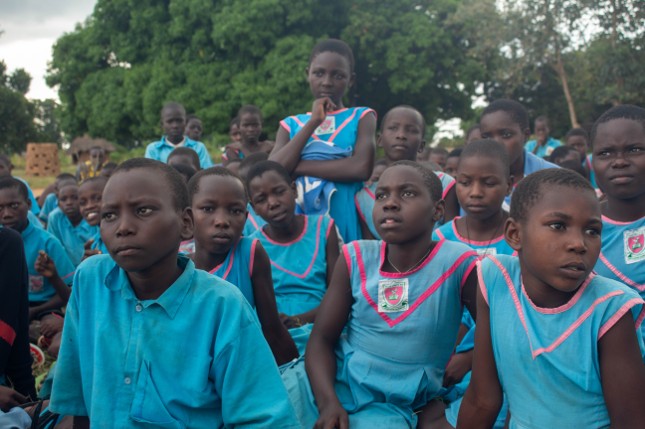
In Wakiso, a district north of Kampala, Uganda, a group of community leaders realized that hunger was keeping thousands of children out of school. According to the National Planning Authority (NPA, 2017), 75% of primary schools in rural areas cannot provide lunch, leaving 66% of children without access to food during school hours. The lack of food not only affects their health but also their education: without energy, they cannot concentrate and end up dropping out of school.
Faced with this reality, the team decided to take action. Under the motto “Keep a Child in School: One Meal at a Time,” they launched a program to combat one of the main causes of school dropout: hunger.
Joyce Ekere, the leader behind the initiative, recalls how it all began: “The number of children dropping out of school in Wakiso, particularly in Namayumba, was alarming. We investigated the causes and found that hunger was a key factor. Many children in public schools did not have access to a daily meal, forcing them to leave class to search for food, and in most cases, they did not return to complete the afternoon session.”.
With this information in hand, they knew they couldn't stand idly by. A sustainable solution had to be found to ensure that every child could receive at least one meal a day at school and not go hungry.
Thus was born an initiative that, with a simple but powerful approach, is succeeding in transforming lives.

The solution
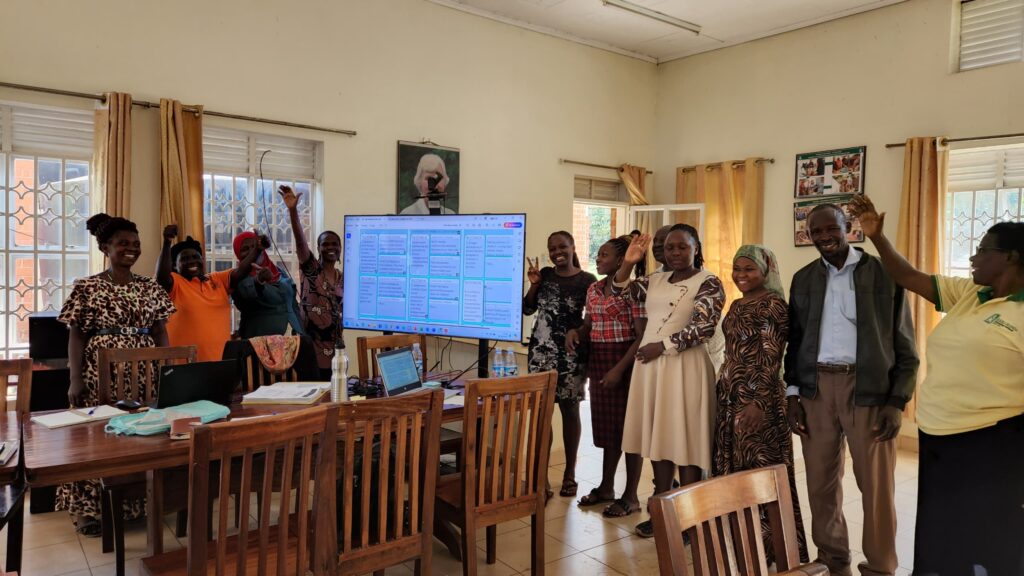
The project not only ensures that students receive at least one meal a day, but also promotes a model based on collaboration across all sectors of the community. Ekere details how they managed to bring together parents, private companies, and local leaders with the same goal: “We adopted a systemic approach. In community meetings and workshops, we explained how school meals impact academic performance, which encouraged parents to contribute food, time, or even small financial contributions. For companies, we presented the project as a corporate social responsibility opportunity with a real and tangible impact.”.
The impact was immediate: fuller classrooms, more attentive children, and a more engaged community. According to Ekere, the dropout rate fell dramatically and attendance rates improved. But the success goes beyond the numbers.
A model of participatory democracy
One of the keys to success was the active role of parents in the program's implementation. From planning to supervision, parents took on active roles. School committees, Teams made up of volunteers are responsible for purchasing food, preparing meals, and monitoring the impact. Through training in nutrition, resource management, and planning, communities have been empowered to find local solutions to complex challenges.
“Through this initiative, we provide them with training in menu planning, hygiene, budgeting, and software management to strengthen their leadership skills. We also implemented a rotating supervision system that ensures food quality and promotes transparency.” Ekere explains.
In other words, the initiative not only benefits students but is also boosting the local economy. Women and small farmers in the region have become key food suppliers, creating new economic opportunities. “It’s a virtuous circle: What starts with a meal for a child ends up improving the quality of life for the entire community.“.
In addition, schools have established gardens where students and parents grow food, teaching agricultural skills and strengthening food security.
With three pilot schools, the initiative has already succeeded not only in feeding children, but also in promoting values of co-responsibility and sustainability.

Challenges and lessons learned
One of the biggest challenges was securing consistent resources, especially in economically disadvantaged communities. However, Ekere emphasizes that the key lies in building lasting relationships and fostering trust. “We have learned that awareness and education are fundamental to maintaining long-term commitment. It's not just about solving an immediate problem, but about creating sustainable change.“.
Aware that the model can be replicated, they plan to scale the program to other schools and communities, relying on success stories to inspire new partnerships with businesses, local leaders, and governments.
Ekere has a clear message for those seeking to transform their communities:
“When parents, businesses, and leaders work together, complex challenges such as school dropout and malnutrition can be successfully addressed. This model demonstrates that the key lies in collaboration, shared responsibility, and building solutions based on local needs.”.
Finally, Ekere invites communities that have not yet joined the program to get involved: “This project isn’t just about ending hunger; it’s about guaranteeing a better future for them and strengthening our communities. With your help, we can break down barriers and ensure that no child’s dreams are cut short by hunger.”.
Big changes begin with small but meaningful actions. A commitment to education, inclusion, and democratic participation is not only transforming lives in Uganda, but we believe it can be a source of hope for communities around the world, inspiring them to dream of a better future.
If you want to learn more about the project and how you can help this initiative scale, we invite you to visit the Local Solutions Marketplace website: https://i-marketplace.org/proyectos-int.php?proyecto=197

ENG
Fighting Hunger to Curb Dropout Rates: A Ugandan Community Transforms Education
In Wakiso, Uganda, a group of community leaders has found a solution to tackle school dropout rates: fighting hunger in classrooms. This initiative is one of the three highlighted by the 2024 Local Innovators Program for its systemic approach, integrating parents, teachers, private companies, and local organizations to ensure that children receive at least one nutritious meal a day at school.
A Community Takes Action Against Hunger
In Wakiso, a district north of Kampala, Uganda, a group of community leaders realized that hunger was keeping thousands of children out of school. According to the National Planning Authority (NPA, 2017), 75% of primary schools in rural areas cannot provide midday meals, leaving 66% of children without access to food during school hours. The lack of nutrition not only affects their health but also their education: without energy, they struggle to concentrate and eventually drop out.
Faced with this reality, the team decided to act. Under the motto “Keep a Child in School: One Meal at a Time,” they launched a program to combat one of the main causes of school dropout: hunger.
Joyce Ekere, the leader behind the initiative, recalls how it all started:
“"The number of children dropping out of school in Wakiso, particularly in Namayumba, was alarming. We investigated the causes and discovered that hunger was a key factor. Many children in public schools had no access to a daily meal, forcing them to leave classes in search of food—most of them never returning for the afternoon session."”
Armed with this knowledge, they knew they couldn't stand idly by. A sustainable solution was needed to ensure that every child received at least one meal a day at school.
Thus, a simple yet powerful initiative was born—one that is transforming lives.
The Solution: A Collective Effort to Feed Students
The project not only guarantees that students receive at least one meal daily but also promotes a model based on community-wide collaboration. Ekere explains how they managed to involve parents, private companies, and local leaders with a shared goal:
“"We adopted a systemic approach. In community meetings and workshops, we explained how school meals impact academic performance, which motivated parents to contribute food, time, or even small financial donations. For businesses, we presented the project as an opportunity for corporate social responsibility with a real and tangible impact."”
The results were immediate: fuller classrooms, more focused children, and a more engaged community. According to Ekere, dropout rates dropped dramatically, and attendance rates improved. But the success goes beyond numbers.

A Model of Participatory Democracy
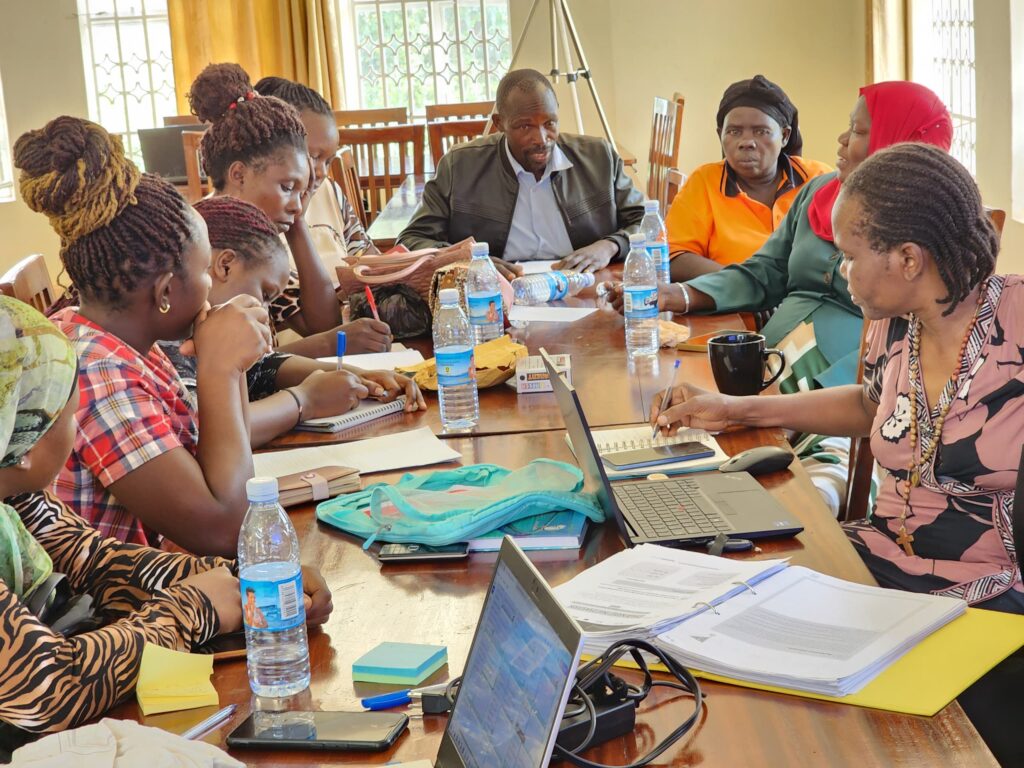
One of the keys to the program's success has been the active role of parents in its implementation. From planning to supervision, parents have taken on leadership roles. School committees, composed of volunteers, handle food purchases, meal preparation, and impact monitoring. Through training sessions in nutrition, resource management, and strategic planning, communities have empowered themselves to find local solutions to complex challenges.
“"As part of the initiative, we provide training on menu planning, hygiene, budgeting, and program management to strengthen their capacity to lead. We also implemented a rotating supervision system to ensure food quality and promote transparency,"” Ekere explains.
Beyond benefiting students, the initiative is also boosting the local economy. Women and small-scale farmers in the region have become key food suppliers, creating new economic opportunities.
“It's a virtuous cycle: what starts with a meal for a child ends up improving the quality of life for the entire community.“
Additionally, schools have established vegetable gardens where students and parents grow food, teaching agricultural skills and reinforcing food security.
With three pilot schools, the initiative has not only succeeded in feeding children but also in fostering values of shared responsibility and sustainability.
Challenges and Lessons Learned
One of the greatest challenges was ensuring a steady flow of resources, especially in economically constrained communities. However, Ekere emphasizes that the key lies in building long-term relationships and trust:
“"We've learned that awareness and education are fundamental to maintaining long-term commitment. It's not just about solving an immediate problem but creating sustainable change."”
Recognizing that the model can be replicated, the team plans to scale the program to more schools and communities, leveraging success stories to inspire new partnerships with businesses, local leaders, and governments.
Ekere has a clear message for those looking to transform their communities:
“"When parents, businesses, and leaders work together, complex challenges like school dropout and malnutrition can be successfully tackled. This model proves that the key lies in collaboration, shared responsibility, and building solutions based on local needs."”
Finally, she invites communities that have yet to join the program to get involved:
“"This project is not just about feeding children; it's about securing a better future for them and strengthening our communities. With your help, we can break down barriers and ensure that no child is forced to give up their dreams because of hunger."”
Major change starts with small but meaningful actions. The commitment to education, inclusion, and democratic participation is not only transforming lives in Uganda but also serves as a source of hope for communities worldwide striving for a better future
If you would like to learn more about the project and how you can help this initiative scale, we invite you to visit the Local Solutions Marketplace website: https://i-marketplace.org/proyectos-int.php?proyecto=197