THE REVOLUTION IN CARE FOR THE ELDERLY
A problem that affects us all
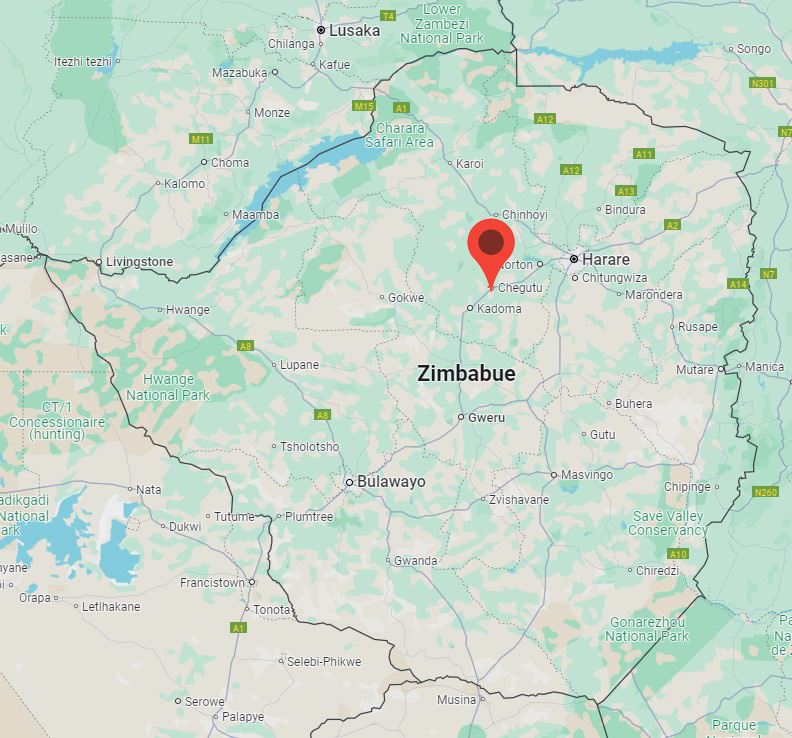
In Chegutu, a city of 66,000 inhabitants in Zimbabwe, the 70% of elderly people over 65 live in abandonment. Without family nearby, without resources, and without a sufficient state support network, many They spend entire days without speaking to anyone.. Others struggle with illnesses that lack adequate treatment, or with pensions that They're not even enough to cover the basics.
Matthew Vambe, a volunteer with the project, describes the situation starkly:
“Lo que más me impactó es el terrible abandono que enfrentan los ancianos en la sociedad. Muchos sufren la soledad. No tienen contacto con familiares ni amigos. Esto se debe principalmente a la pérdida de sus parejas y también a la movilidad reducida por su edad. Este aislamiento puede traer consecuencias terribles como depresión, ansiedad y deterioro cognitivo”.
But loneliness is not the only problem. Access to healthcare is almost impossible for many elderly people. “Luchan por acceder a centros de salud adecuados. Esto se debe a las limitaciones económicas y a la falta de transporte. No tienen sillas de ruedas ni medios para llegar a los hospitales. Y como si fuera poco, a veces dependen de hacer fuego con leña para cocinar, en ocasiones fuera de sus casas y en la oscuridad, expuestos a la lluvia y al frío”.
This is not just the drama of Chegutu. It is the story of millions of older people around the world.
And it is also the story of how a community She decided to make a difference and revolutionize the care of the elderly.

Bvute/Umthunzi: a shadow that protects
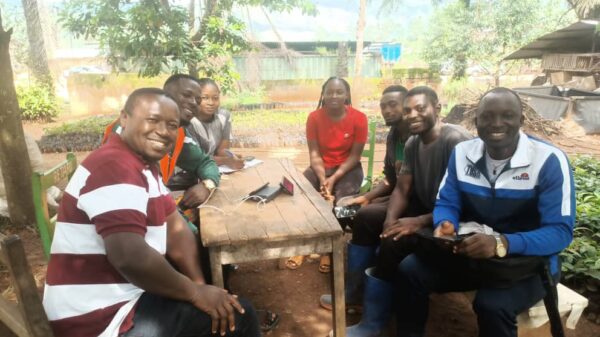
When Edson Muchejekwa, a social worker with over 24 years of experience, noticed the plight of the elderly in Chegutu, he knew he had to do something. There were no organizations working on the issue. There were no funds. There were no resources. But there were people willing to help.
That's how it was born Bvute/Umthunzi: Caring for our Elders. In Shona and Ndebele, two of Zimbabwe's main languages, Bvute and Umthunzi significan “sombra”, un símbolo de refugio y protección, exactamente lo que este grupo de voluntarios brinda a las personas mayores de la ciudad.
Mathew adds an example that sends shivers down our spines: “One story I’ll never forget is that of Gogo Mlambo. She’s 82 years old and lives on the outskirts of Chegutu. I visited her in winter, and she only had a tattered blanket that she shared with her four-year-old grandson, Tino. Gogo Mlambo has been raising Tino since his mother died when he was two. They had been without electricity for weeks; her body was extremely frail, and she coughed constantly in great pain. I asked her how she was surviving the cold, and she told me she was learning to endure it, just like the hunger and the loneliness.”.
The Local Innovators Program team has a clear vision: the solution must be comprehensive. It's not just about helping older people in the short term, but about transforming how society perceives them and ensuring their long-term well-being.
To achieve this, they decided to start a care revolution with a wonderful idea.
The first volunteer-run hospital for the elderly in Chegutu aims to revolutionize care
The team of Bvute/Umthunzi He understood that without access to health care, any other effort would be insufficient. Therefore, they made a key decision: to create their own community health center, operated by volunteers.
This space not only offers medical care, but also provides comprehensive support, combining physical health, emotional well-being, and social support.
What does the community health center offer?
- Free medical care for vulnerable elderly people.
- A team of 6 healthcare professionals working ad honorem.
- Regular medical check-ups and guidance on medication management.
- Psychological support through therapy groups for people who are grieving or have chronic illnesses.
- Referrals to partner health centers for more complex treatments.
- Training volunteers to help with basic check-ups and accompaniment.
Mathew accounts for this “When I started doing volunteer work, I noticed that when the elderly receive care and companionship, their mental and emotional health improves significantly. Talking to them and doing activities together helps keep their minds active, and in doing so, we reduce cognitive decline. I realized that, more than anything else, they just want to feel valued and loved, which strengthens their self-esteem and emotional stability.”.
This health center has become a fundamental pillar for the community, but the challenge remains enormous: they need more volunteers and more resources to serve more people.

Networks to build a FUTURE in old age
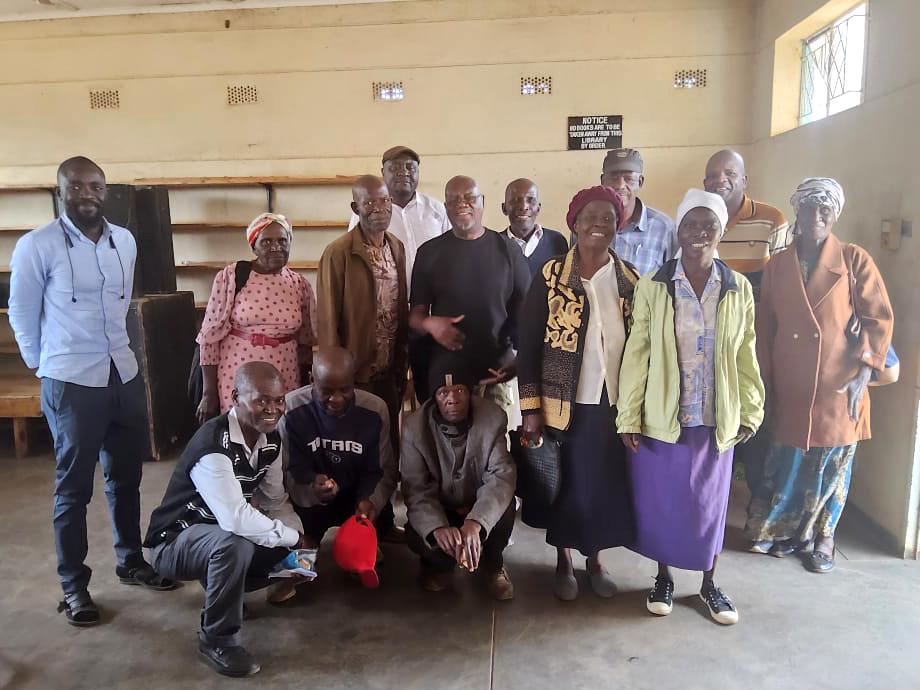
To combat loneliness, they were created conversation groups and recreational clubs, where participants can socialize and feel part of an active community. They also promoted intergenerational encounters, allowing young people to connect with older people through shared activities. Yvonne Utedzi, a volunteer and social work student, describes the impact of this initiative: “Ver a un anciano volver a sonreír después de años de aislamiento es lo que nos hace seguir”.
Mathew adds: “Being part of this initiative, I learned about the power of community support. No one should have to fight alone. Small acts of generosity, such as sharing food, medicine, shelter, or simply lending a listening ear, can change a life. Teamwork isn't just about doing things together, but about taking care of each other. Shared responsibility creates a better society. When we contribute to the well-being of others, the entire community prospers.
Technology also plays a key role in helping older people maintain contact with their loved ones. Bvute/Umthunzi, They are taught to using cell phones and social media, This allows them to communicate with relatives who have migrated, something very common in the area. In addition, [something] was created community WhatsApp groups, where seniors can stay informed and ask for help when they need it.
The team tells us about an unforgettable moment: “Ayudamos a un anciano a hacer una videollamada con su hijo después de 12 años sin hablar. Se pusieron a llorar. Esas son las cosas que cambian vidas”.
But it doesn't just change the lives of the elderly people who receive help, but also the lives of the volunteers themselves, as Yvonne describes perfectly:“Working with the elderly completely changed my perception of old age. Before, I thought that aging was synonymous with losing physical and mental abilities. However, through my interactions with them, I realized that age is just a number. They are wise, full of life, and have incredible energy. I learned that old age is a beautiful process, full of love, wisdom, and experiences that can change our way of thinking.
Similarly, Admire, the project leader, emphasizes the importance of the volunteers' commitment: “The students and young people of the church are the best; in most cases, a win-win situation is created: the students gain experience, and the volunteering becomes an extension of the church.”.
But it's not all rosy; the difficulties in carrying out this initiative are numerous, and Admire makes that very clear:“Our core team includes a deputy mayor, a social worker, a teacher, a nurse, a lawyer, and elderly people with limited resources, so we've basically been self-funded.”.
As Ivone draws to a close, she restores optimism and invites us to dream of this revolution: “Si no puedes hacer algo grande, haz algo pequeño. A veces, lo único que un anciano necesita es que alguien lo escuche. Every little action counts, It doesn't take much time or resources to make a difference. If someone has a busy schedule, they can consider volunteering in small increments, such as 30 minutes a week. There are also online volunteering opportunities or the possibility of donating to organizations that support elder care. It's not about have plenty of time or money, but rather to have the will and passion to to care and make a difference”.
The challenge remains: how to help
Despite the impact, Bvute/Umthunzi It faces great challenges, and it needs all of us to continue the care revolution!
- Lack of resources: They do not have stable financing.
- Need for more volunteers: The team is small and demand is growing.
- Limited infrastructure: They need more space for activities.
You too can be part of the solution!
If you live in Chegutu, or are planning a visit to the region: join us as a volunteer! You can also donate food, medicine, or resources to the health center.
If, however, you are reading this from another part of the world, share this story and let's raise awareness.
If you want to learn more about this project and discover how you can help this initiative grow, visit the Local Solutions Marketplace at the following link: https://i-marketplace.org/proyectos-int.php?proyecto=197
ENG
The Care Revolution: How a Community in Zimbabwe is Restoring Dignity to the Elderly in Chegutu
The neglect that elderly people face is not a problem confined to a single region—it is a global challenge. In Africa, Latin America, and around the world, many seniors live in precarious conditions, without access to healthcare, companionship, or the necessary resources to live with dignity. However, in Chegutu, a city of 66,000 people in Zimbabwe, a group of volunteers decided to change this reality.
A Problem That Affects Us All
In Chegutu, 70% of seniors over 65 live in abandonment. Without family nearby, without financial resources, and without sufficient government support, many go entire days without speaking to anyone. Others struggle with untreated illnesses or pensions that are far from enough to cover even basic needs.
Matthew Vambe, a volunteer with the project, describes the situation bluntly:
“What impacted me the most is the terrible abandonment that seniors face in society. Many suffer from loneliness. They have no contact with family or friends. This is mainly due to the loss of their spouses and also their reduced mobility due to age. This isolation can have terrible consequences, such as depression, anxiety, and cognitive decline.”
But loneliness is not the only issue. Access to healthcare is nearly impossible for many seniors.
“They struggle to access proper healthcare centers. This is due to financial limitations and lack of transportation. They have no wheelchairs or means to reach hospitals. And if that weren’t enough, sometimes they rely on making fires with wood to cook—often outside their homes, in darkness, exposed to the rain and cold.”
This is not just Chegutu's reality—it is the reality of millions of elderly people worldwide. But it is also the story of how a community decided to make a difference.

Bvute/Umthunzi: A Shadow That Protects
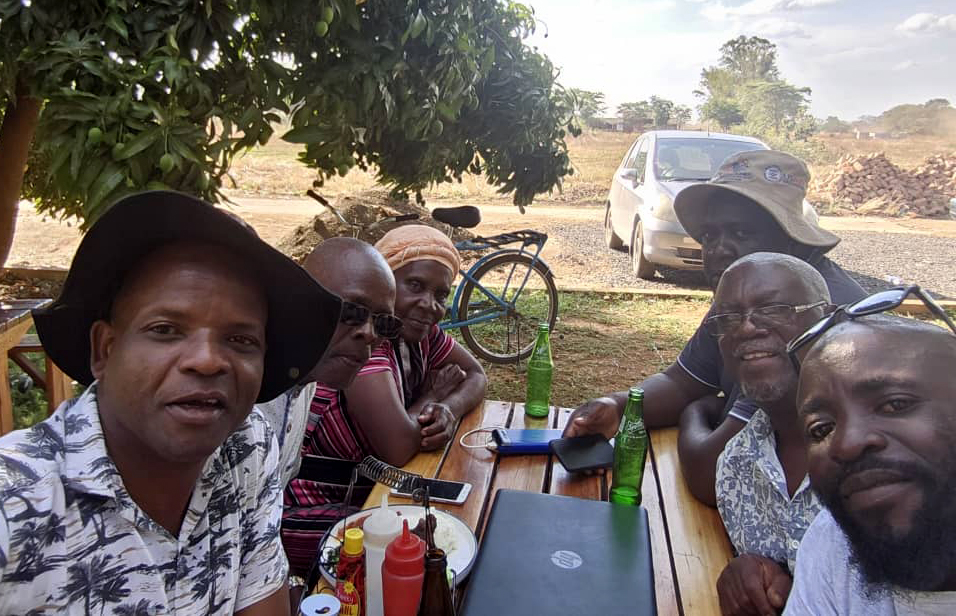
When Edson Muchejekwa, a social worker with over 24 years of experience, began paying attention to the reality of elderly people in Chegutu, he knew he had to take action. There were no organizations addressing the issue. Don't fund. No resources. But there were people willing to help.
That's how Bvute/Umthunzi: Caring for our Elders was born. In Shona and Ndebele, two of Zimbabwe’s main languages, Bvute and Umthunzi mean “shadow”, a symbol of refuge and protection—exactly what this group of volunteers provides to the elderly in the city.
Matthew shares a story that gives us chills:
“One story I will never forget is that of Gogo Mlambo. She is 82 years old and lives on the outskirts of Chegutu. I visited her in winter, and she had only a torn blanket, which she shared with her four-year-old grandson, Tino. Gogo Mlambo has raised Tino since his mother passed away when he was two. They had been without electricity for weeks, her body was extremely frail, and she was constantly coughing in pain. I asked how she was surviving the cold, and she told me she was learning to endure it—just like hunger and loneliness.”
The Local Innovators Program team has a clear vision: the solution must be comprehensive. It's not just about offering short-term aid, but about transforming how society perceives the elderly and ensuring their long-term well-being.
To achieve this, they came up with a brilliant idea.

The First Volunteer-Run Hospital for Seniors in Chegutu
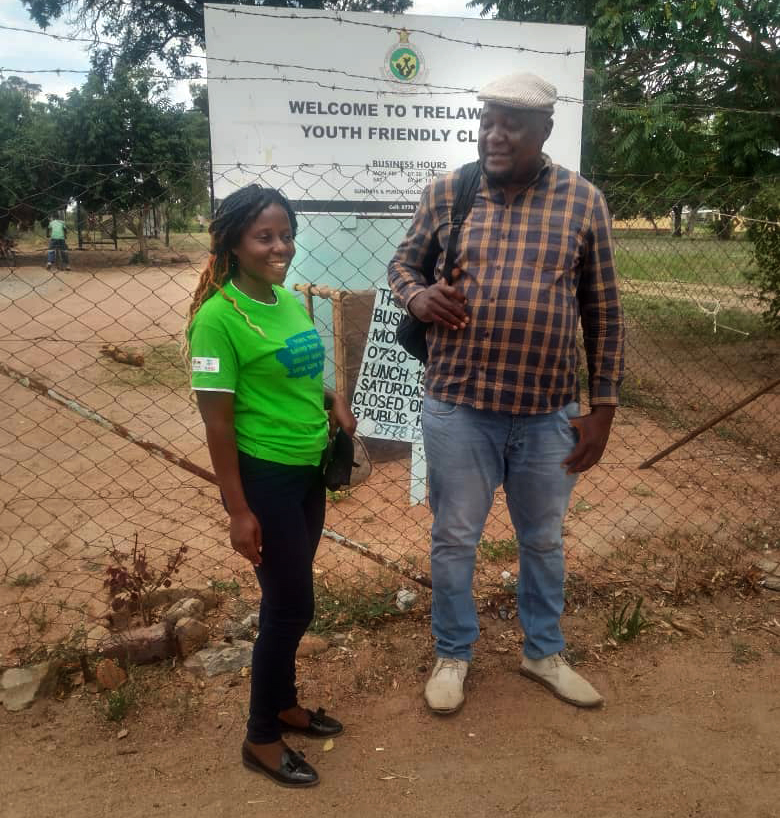
The Bvute/Umthunzi team realized that without access to healthcare, any other effort would fall short. So, they made a crucial decision: to create their own community healthcare center, run by volunteers.
This space does more than just provide medical care—it offers comprehensive support, integrating physical health, emotional well-being, and social assistance.
What Does the Community Healthcare Center Offer?
- Free medical care for elderly people in vulnerable situations.
- A team of six healthcare professionals working pro bono.
- Regular check-ups and guidance on medication management.
- Psychological support through therapy groups for those grieving or suffering from chronic illnesses.
- Referrals to partner health centers for more complex treatments.
- Training for volunteers to assist with basic check-ups and companionship.
Matthew reflects on the impact:
“When I started volunteering, I noticed that when seniors receive attention and companionship, their mental and emotional health improves significantly. Talking to them and engaging in activities helps keep their minds active, reducing cognitive decline. I realized that, more than anything else, they just want to feel valued and loved. That strengthens their self-esteem and emotional stability.”
This healthcare center has become a pillar of the community, but the challenge remains huge: they need more volunteers and more resources to reach more people.
Building FUTURE Networks in Old Age
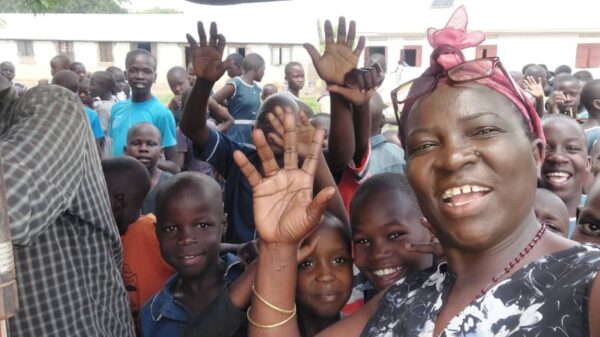
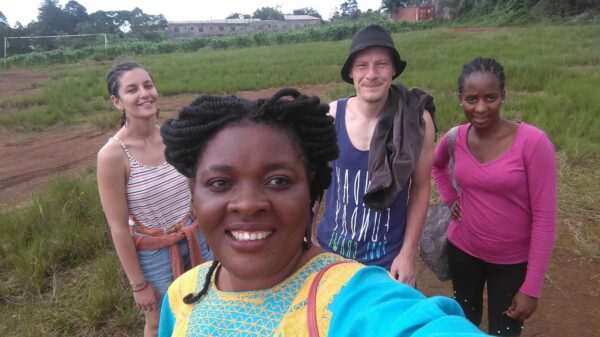
To combat loneliness, the organization created conversation groups and recreational clubs, where seniors can socialize and feel part of an active community. They also launched intergenerational meet-ups, allowing young people to connect with the elderly through shared activities.
Yvonne Utedzi, a volunteer and social work student, describes the initiative's impact:
“Seeing an elderly person smile again after years of isolation is what keeps us going.”
Matthew adds:
“Being part of this initiative taught me the power of community support. No one should have to struggle alone. Small acts of generosity—like sharing food, medicine, warmth, or simply lending a listening ear—can change a life. Teamwork is not just about doing things together; it’s about taking care of each other. Shared responsibility creates a better society. When we contribute to others’ well-being, the whole community thrives.”

Technology as a Bridge to Connection
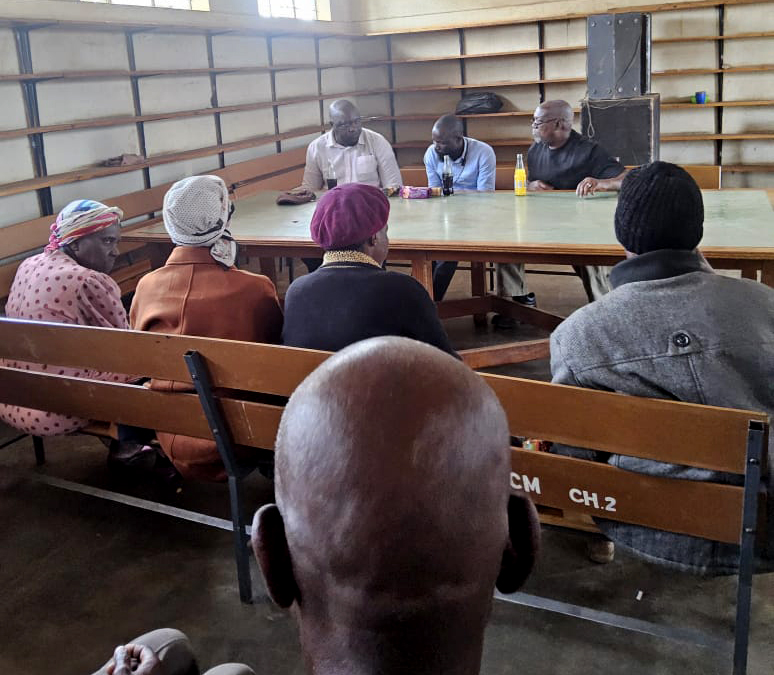
Technology also plays a crucial role in keeping seniors connected with their loved ones. At Bvute/Umthunzi, elderly people are taught how to use mobile phones and social media, allowing them to communicate with family members who have migrated—something very common in the region. Additionally, they created community WhatsApp groups, where seniors can stay informed and ask for help when needed.
The team shares an unforgettable moment:
“We helped an elderly man make a video call with his son after 12 years without speaking. They both burst into tears. These are the moments that change lives.”
But it's not just the elderly who benefit—volunteers’ lives are transformed as well.
Yvonne puts it perfectly:
“Working with seniors completely changed my perception of aging. Before, I thought growing old meant losing physical and mental abilities. But through my interactions with them, I realized that age is just a number. They are wise, full of life, and have incredible energy. I learned that aging is a beautiful process, full of love, wisdom, and experiences that can reshape our way of thinking.”
Admire, the project leader, emphasizes the importance of volunteers' commitment:
“Students and church youth are the best volunteers. In most cases, it’s a win-win situation: students gain experience, and volunteering becomes an extension of the church’s mission.”
However, challenges abound, and Admire makes this clear:
“Our core team includes a deputy mayor, a social worker, a teacher, a nurse, a lawyer, and low-income seniors. So, we have essentially been self-funded.”
The Challenge Continues: How to Help
Despite its impact, Bvute/Umthunzi faces major challenges:
- Lack of resources: No stable funding.
- Need for more volunteers: The team is small, and demand is growing.
- Limited infrastructure: More spaces are needed for activities.
You Can Be Part of the Solution!
- If you live in Chegutu or plan to visit the region, Join as a volunteer! You can also donate food, medicine, or resources to the healthcare center.
- If you’re reading from elsewhere in the world, spread this story and raise awareness!
To learn more about this project and discover how you can help, visit: https://i-marketplace.org/proyectos-int.php?proyecto=197
Care Revolution