

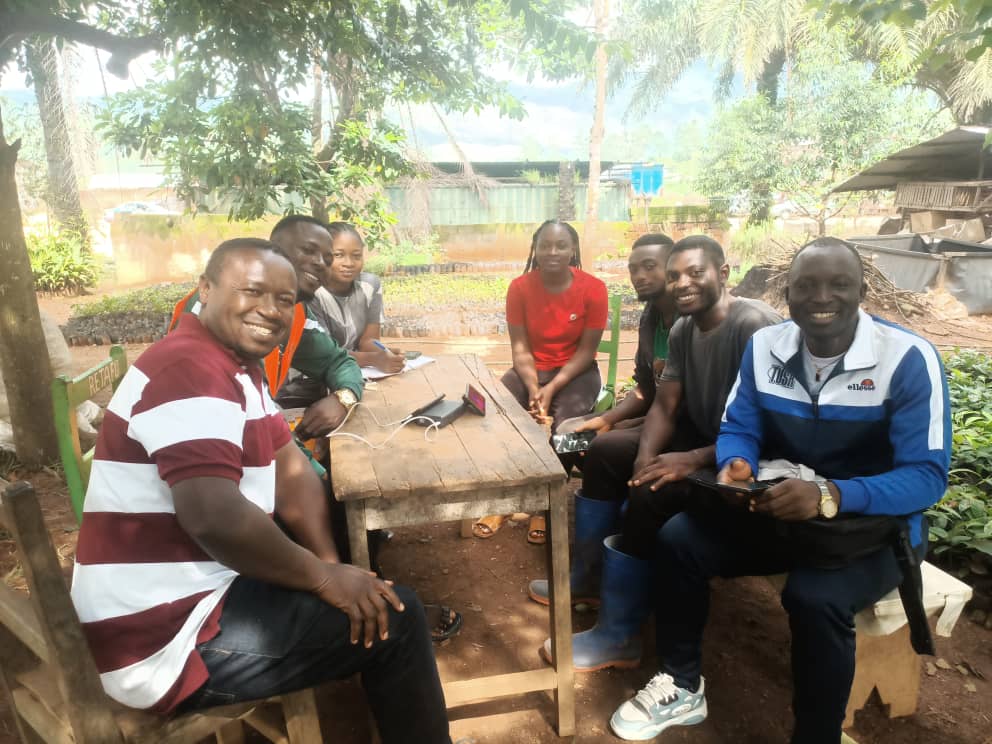
The beginning
My name is Dieudonne Tantoh Nforba, popularly known as Farmer Tantoh. I began dreaming about my community movement in 1996, when I was still a high school student in Cameroon. My geography teacher was talking to us about agriculture and water resources in California. Instinctively, I told my father that I wanted to study agriculture and environmental stewardship. I also told him that my work would one day take me to California to experience firsthand how those activities were carried out.
I wrote on my bedroom wall: “CALIFORNIA USA, 1996”. My father asked me: “How are you going to get there?” I replied: “If you support me with tools and equipment to start practicing, I will save photos of my work and, one day, someone will see it and take me to California.”. He gave me his full support and told me, “If you believe it, you will achieve it.” A few months later, he passed away. Inspired by his faith in me, I conceived a 30-year development plan to work in my country as independent community activist.
In 2007, I was selected to represent Africa in the study of the world's river basins. The program began in the United States—guess where? In California, where I traveled eleven years later.
A farmer's mission
My mission in working with communities was to involve them in actions to preserve the environment and change young people's mindsets about agriculture. In Cameroon, 701% of the population depends on agriculture for survival, but many young people believe it is a job only for poor people.
Because I was so passionate about farming, my classmates nicknamed me Farmer. They used it as an insult, but I embraced it with pride. I even wrote it on my school T-shirt to show that without farmers there is no food or future.
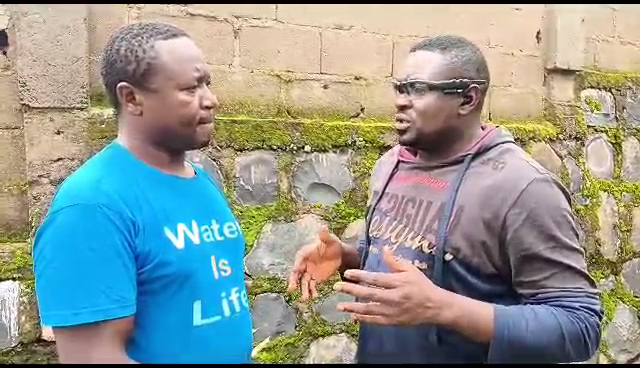
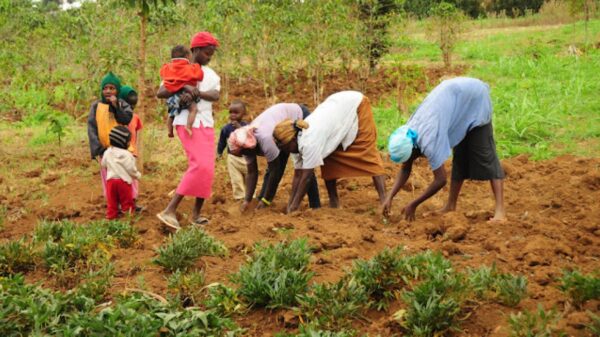
To accomplish my mission, I began working with young people and children in schools, churches, and neighborhoods, encouraging them to do practical activities such as planting flowers, trees, and grass, as well as establishing vegetable gardens.
In my village, I created a botanical garden called Chua-Chua Botanical Garden. The goal was to create a community center where the environment was openly valued. I conceived the idea in 1999, and the site was approved by the Nkambe Council in 2005, before the gardens were established.
After much effort, the area was transformed into a lush garden with local and exotic plants, which served as a community center. Important meetings, social events, and music video shoots were held there. The garden's presence brought national prestige to Nkambe and increased the community's interest in understanding and preserving the environment.
The project encouraged residents to plant and care for their own organic gardens. More than 200 volunteers received training. In addition, I worked with low-income farmers to promote agroforestry and organic farming within their agricultural systems.
A turning point
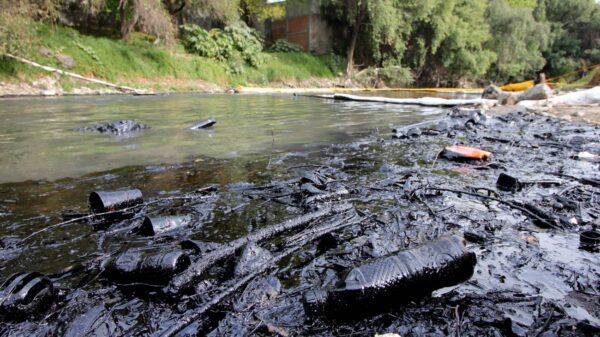
At one point in my life, I contracted typhoid fever while studying at the Agricultural University of Cameroon. It was a traumatic experience; I thought I was going to die. I vowed that if I survived, I would dedicate my life to solving the problems of water scarcity, hygiene, and sanitation.
The illness became a turning point. I began researching water-related topics and specialized in agroforestry and watershed protection. In 2007, I traveled to California to study watersheds with the Tahoe-Baikal Institute, focusing on Lake Tahoe in California and Lake Baikal in Siberia, Russia. I also studied the conservation of sacred springs in Mongolia.
All this knowledge transformed me into an agent of change in my community, teaching people about watershed management.
A journey of collaborative systemic innovation
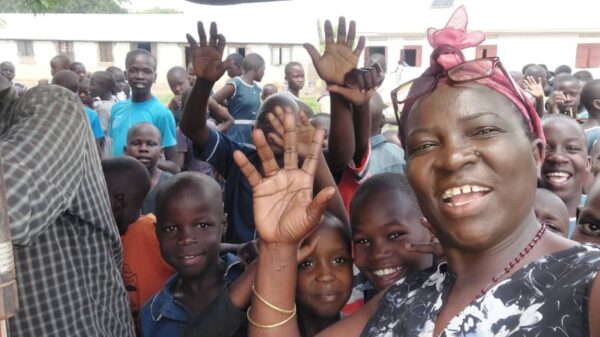
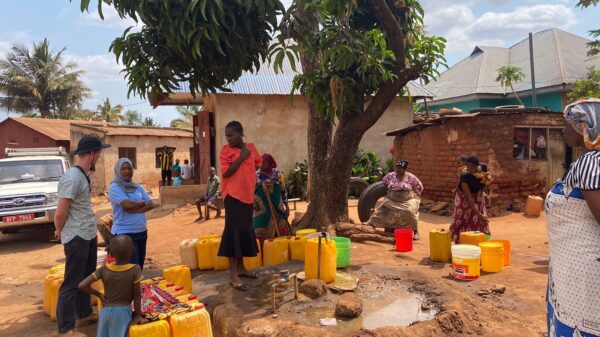
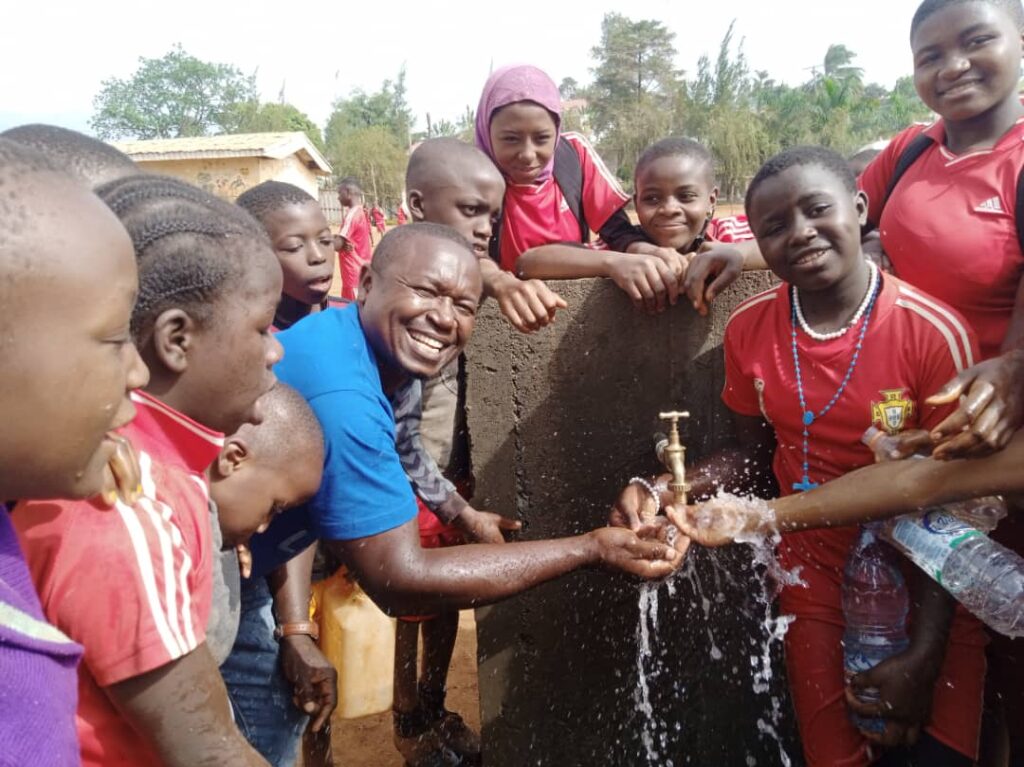
My movement has led to the establishment of more than 800 gardens in 25 villages in the northwest region of Cameroon and the construction of 60 water projects that today provide drinking water to more than 50,000 people.
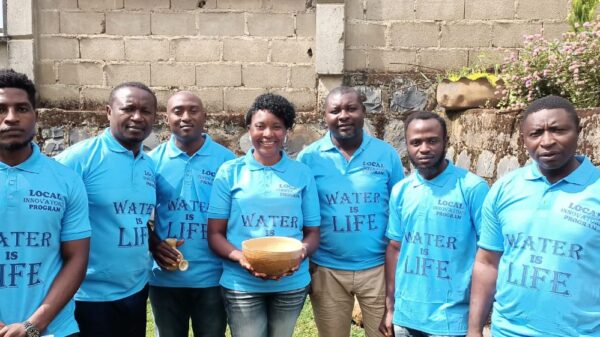
I lead the “Safe Water for All” initiative, created thanks to our participation in AYNI’s 2023 Local Innovators Program, where we were global winners. The initiative addresses water scarcity in Bamenda by building wells with solar pumps, providing water conservation training, and conducting awareness campaigns.
Proudly a farmer
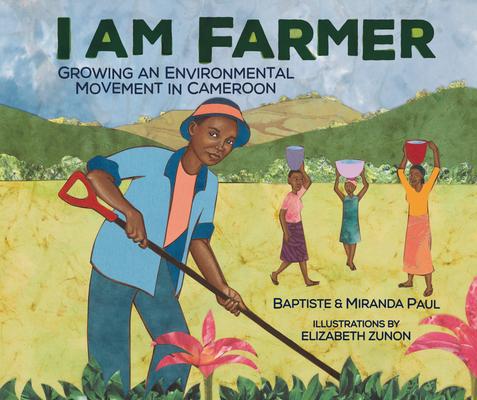
My story has been illustrated in a children's book titled “I Am Farmer: Growing an Environmental Movement in Cameroon,” written by Miranda and Baptiste Paul. The book is used in elementary schools in the United States and has been translated into French for Francophone Africa and Haiti. In 2019, I traveled to the United States for the book launch, visited more than 40 elementary schools, and shared my story with 30,000 children in 12 states. My work has changed the mindset of hundreds of young people in Cameroon, who now take pride in being farmers.
In addition, I have received numerous awards, such as the Green Apple Award in the UK Parliament, and I am a fellow of Ashoka and Making More Health.
Next steps
Two years from completing my 30-year development plan, I am establishing a eco-village and a training center in Bamenda to reconnect urban dwellers with lifestyles ecological.
To learn about the application process, you can contact Tantoh through:
- WhatsApp group of the Local Innovators Community
- RIL PORTAL
- fatantoh@gmail.com
Finally, I would like to tell young people that we were all born with the capacity to do something meaningful. There are no boring jobs; people get bored because they seek quick results. No matter where you come from, you are never too small or insignificant to contribute to the long-term sustainability of our planet. By doing simple things to the best of your ability, you are improving our world.
ENG
Growing an environmental movement in Cameroon, by Farmer Tantoh.
Farmer Tantoh: The Farmer Who Turned a Dream into an Environmental Movement in Cameroon
Farmer Tantoh, a beacon of inspiration in our Community of Local Innovators, is transforming communities through gardens, clean water projects, and environmental education. His inspiring story shows that with perseverance, hope, and dedication, it is possible to change the world from the ground up.
The beginning
My name is Dieudonne Tantoh Nforba, popularly known as Farmer Tantoh. I started dreaming about my grassroot movement in 1996 while a student in high school in Cameroon. My Geography teacher was telling us about agriculture and water resources in California. Spontaneously, I told my father that I wanted to study agriculture and environmental protection. I also said that my work would take me to California someday to experience firsthand how they go about these activities. I wrote on the wall of my room CALIFORNIA USA, 1996. My father asked me how are you going to get there?. I replied: “if you support me with tools and equipment to start practicing, I will keep my photos and someday, someone will see my work and take me to California.” He gave me all the support to start and told me if you believe, you will get to California. Few months later, I passed. I was inspired and conceived a 30 year development plan to work for my country as a self-employed grassroot activist.
In 2007, I was selected to represent Africa to study watersheds of the world. The program started in America, guess where? In California, where I traveled eleven years later.
A farmer's mission
My mission to work for communities was to engage them to take actions in preserving the environment and also to change the mindset on how young people perceived agriculture. In Cameroon, 70% of the population depends on agriculture for survival and young people believe farming is a job only meant for poor people. Because I was so passionate about farming, I got the nickname FARMER from my peers as an insult, but I embraced the name and wrote it on my school shirt just to prove to my peers that when there is no farmer, there is no food and no future. In order to achieve this, I started working with youths and children in schools, churches and neighborhoods, encouraging them to carry out hands-on activities to plant flowers, trees and lawns and also established vegetable gardening. I established a botanical garden in my village called Chua-Chua Botanical garden.
The goal was to create a community center where the environment is openly cherished. I conceived the garden in 1999 and the site was approved by Nkambe Council in 2005 before the establishment of the gardens. After much hard work, the area was then transformed into a lavish garden of local and exotic plants that served as a community center. People used to gather at the site for important meetings, social events, and to film music videos. The presence of the gardens brought national prestige to Nkambe and increased community interest in understanding and preserving the environment.
The project encouraged the local community's efforts to plant and care for their own organic flower gardens as over 200 volunteers were trained. Besides the garden, I also worked with low-income farmers to encourage them on the integration of agroforestry techniques in their farming systems and also organic farming techniques.
The turning point
At some point in my life, I contracted typhoid while a student at the agricultural college In Cameroon. I was so traumatized and thought I was going to die. I made a commitment that if I get well, I will dedicate my life to contributing to solving the problem of water scarcity, shortage and hygiene and sanitation. Contracting typhoid then became a turning point in my life and I started focusing my attention to do a lot of research on water issues. While in agricultural college, I specialized in agroforestry and water catchment protection. My trip to California in 2007 was to study watersheds of the world with the Tahoe-Baikal Institute with focus on Lake Tahoe in California and lake Baikal In Siberia-Russia. I also studied Bhudists and sacred places in Mongolia with focus on spring conservation. All this knowledge impacted me to become a change maker in my community to teach people about watershed management.
A journey of Collaborative Systemic Innovation
My movement has led to the establishment of over 800 gardens in over twenty five villages across the Northwest region of Cameroon and also the construction of over 60 water projects that are now providing safe drinking water to over 50,000 + people. In order to continue solving the problem of water scarcity in communities, I am the project lead of the Safe Water For All Initiative that was designed thanks to our participation in the Local Innovators Program 2023. This program is organized by AYNI to solve problems in cities across the world. After six months of intense training, my team emerged the overall winner worldwide. The Safe Water for All Initiative is addressing the critical issue of water scarcity in the City of Bamenda through a multi-faceted approach. This includes the construction of wells powered by solar pumps, training residents on water conservation techniques, planting trees in water catchments, and raising awareness about water conservation techniques.
Proudly a Farmer
I have also gained international recognition where my story was illustrated in a children's book by American Authors-Miranda and Baptist Paul titled: I am Farmer; growing an environmental movement in Cameroon. It is being used in elementary schools across the United States and also translated into French for Francophone Africa and Haiti. In the spring of 2019, I traveled to the USA for the book launch. I visited over 40 elementary schools and presented my story to over 30,000 kids across 12 States. While in Cameroon, my story you have changed the mindsets of hundreds of young people who are proud to be called farmers and are growing the movement in their communities.
Besides the book, I have received numerous awards in and out of Cameroon, especially the Green apple award at the House Of Commons in London for environmental best management practices and sustainable development. More to that, I have been elected into two prestigious fellowships in the world namely: Ashoka and Making More Health fellowships. Ashoka and making More Health identify and support social entrepreneurs across the globe, learn from the patterns in their innovations, and mobilize a global community that embraces these new frameworks to build an “everyone a changemaker world”
Next steps
In order to continue to grow this movement, I have two years to mark my 30 year development plan, then transition into doing documentaries for my YouTube channel and supporting grassroot initiatives across Africa through The Farmer Tantoh Foundation. But before transitioning, I am currently establishing an eco village and a resource training center in Bamenda city with the goal of reconnecting city dwellers back to ecological lifestyles. More to that, I have also designed The Farmer Tantoh New Village Environmental Movement. The idea of the new village movement is to identify passionate young people living in rural communities or stranded in cities or abroad and willing to relocate back to their villages.
To learn about the application process you can contact Tantoh through:
1. WhatsApp group of the Local Innovators Community
2. RIL PORTAL (CONNECT map)
3. fatantoh@mascomunidadweb
My encouragement to young people is to let them understand that everyone in this world was born with an instinct and ability to do something. There are no boring jobs in this world, it's just that people get bored because they want quick results. I don't have a degree or masters, but I believe that my practical work in the field has earned me a PHD based on three principles-Persistence, Hope and Dedication. It doesn't matter where you come from, you are never too small or insignificant to contribute to the long term sustainability of our planet, by doing simple things to the best of your ability, you are improving our world.