










Roadmap
GPS: Why is having volunteers key?
Volunteering is a fundamental pillar for many organizations. It not only provides human resources and specialized knowledge, but also builds community and amplifies the social impact of projects. Attracting and retaining volunteers involves generating a sense of belonging and purpose.
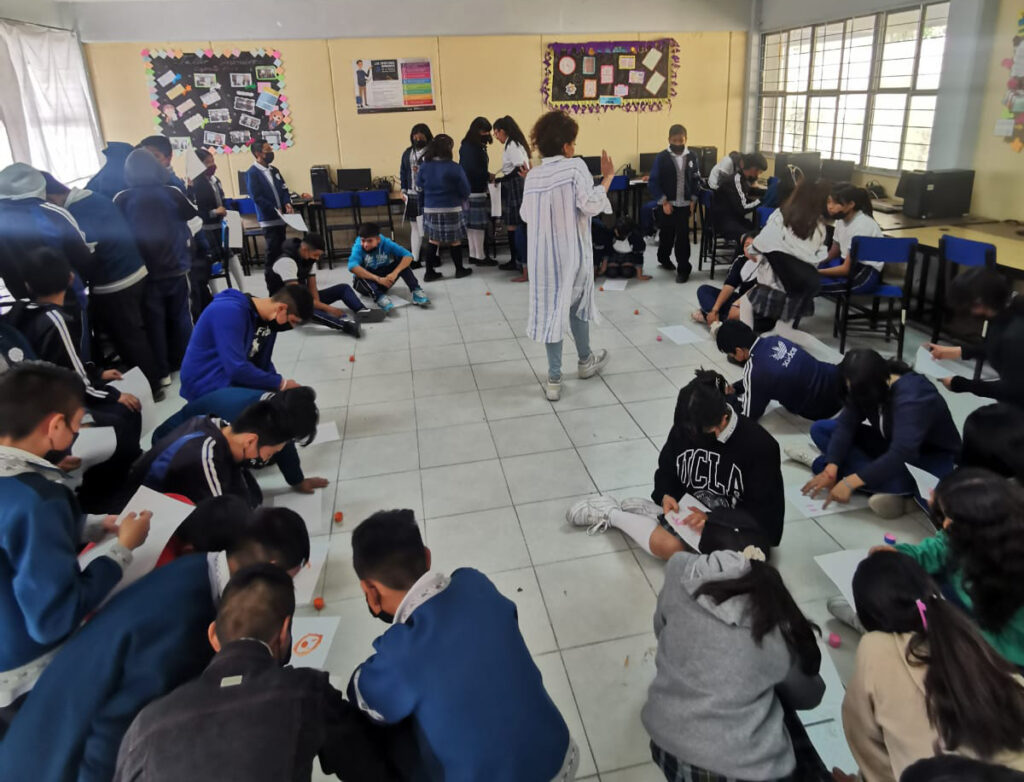
Laura López, from Toluca, Mexico, shares her experience working on the project Healing from the Classroom, which focuses on navigating grief in school contexts:
“Creating an external network of interdisciplinary specialists was key. How did we do it? By knocking on doors, sharing an idea, connecting with empathy, and conveying our passion. We made the volunteers feel that they weren't just joining an organization, but a life mission. Four years later, they continue to participate actively and meet in spaces where the program takes place.”.
Their experience shows that to attract volunteers it is essential to make them feel part of a larger purpose and connect with them on a human level.
PACKING THE SUITCASES
Roadmap to understand my needs
Before you start looking for volunteers, you need to know what kind of volunteer you need and what your project is for. What activities do you need to carry out as part of your project? Are specific skills required? Is the volunteering in person or online? Having clarity on these points helps you find the right people.
Marie Claire Kuja, participant in PIL 2024 with her initiative KujaEcoPads and with experience in international volunteering, she emphasizes from Cameroon:
“Some come with a real commitment, but others see it more as a tourism opportunity. It’s important to make sure they fully understand the expectations before adding them to the team.”.
Get to know the local volunteering ecosystem
Linda Peia, Senior Director of Ashoka, It is recommended to map local stakeholders who can provide what your organization needs. Universities, businesses, and local governments often have programs where students and professionals can join projects with social impact.
For her part, Nicole Fusilier, Leader of the Local Innovators Program, when consulted for writing this Roadmap, elaborates on this:“Universities, for example, offer internships where students apply their knowledge before graduating, while many companies have corporate volunteering or pro bono programs where specialists donate their time and expertise.”.
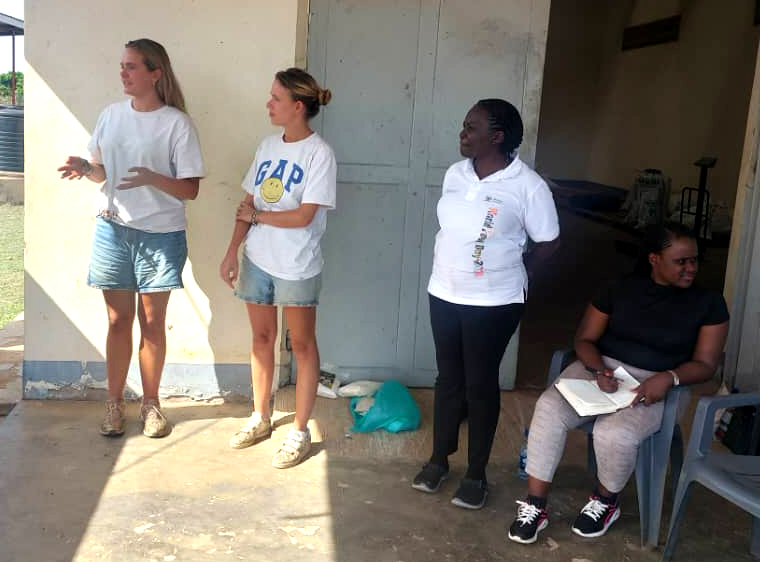
Disseminate information strategically and facilitate the recruitment of volunteers.
Social media, word of mouth, community events, and partnerships with universities or companies can be a good source for finding volunteers.
Ann Grace Akiteng, from Uganda, a member of Creative Initiative for Enterprise Development, He notes that one of the main barriers for organizations to recruit volunteers is the lack of information about their availability:
“Many organizations don’t involve volunteers because they don’t know where to find them. In addition, the lack of resources to support them means that some cannot accept them.”.
To overcome this, one can turn to specialized platforms for disseminating volunteer opportunities, such as Idealist, Taproot Foundation, SerVoluntario.org (Argentina). You can also post searches in LinkedIn.
The invitation message should be attractive and clear. Instead of simply saying “We are looking for volunteers”, It is more effective to communicate the real impact of the work: “Join our team and help us provide academic support to 100 children every week.”.
Finally, the registration process should be simple and accessible. Short forms (for example, using Google Forms), quick contact channels like WhatsApp or Telegram, or even informational meetings can facilitate onboarding and prevent potential volunteers from getting lost in bureaucracy.
WALKING THE WAY
Roadmap for leading the volunteer team
It is essential that the volunteer experience be enriching and well-organized. From the outset, it is crucial to explain what is expected of the volunteer, how much time it will take, and what rules they must follow. A volunteer without a clear task will feel lost.
Marie Claire warns about the dangers this entails:
“If a volunteer feels lost, they are likely to quit. It is key to give them a clear purpose and make sure they understand their role.”.
For that reason, she recommends signing commitment agreements to avoid misunderstandings.
The success of a volunteer program depends not only on attracting committed individuals, but also on supporting them throughout the process. Having a team to guide them, answer their questions, and help them adapt is essential to ensuring a positive and sustainable experience.
Providing initial guidance facilitates their integration into the community and allows them to better understand the culture and environment in which they will work.
Assigning a person in charge of the volunteer team allows for a clear point of contact to centralize communication to and from the organization, provides clarity in the processes, and ensures constant support so that volunteers feel supported and aligned with the organization's objectives.
Furthermore, taking care of key aspects such as food, accommodation and their overall well-being not only improves their experience, but also strengthens their motivation and commitment.
In the case of volunteers participating in exchange programs, it is important to find a balance between volunteer work and the opportunity to get to know the place, without losing sight of the purpose of their mission.
A volunteer who feels supported and valued will not only stay longer, but will also become an ambassador for the project, inspiring others to join.
That's why it's key. to recognize the fundamental role of volunteers in making the organization's mission a reality.
One of the main factors in keeping a volunteer with an organization is feeling valued and motivated. Here are some strategies for keeping volunteers motivated:
- Provide constant feedbackDon't wait until their experience is over to acknowledge their work. Small, positive comments throughout the process reinforce their commitment.
- Celebrate achievementsOrganizing recognition events, such as thank-you gatherings or symbolic awards ceremonies, fosters a sense of community.
- Offering growth opportunities: Training volunteers and allowing them to take on greater responsibilities can increase their sense of belonging.
- Issuing certificates or letters of recommendation: Especially useful for international students or volunteers seeking experiences for their professional development.
- Make your impact visibleSharing success stories and concrete results from volunteering reinforces the idea that your work has a real purpose. For example: “Thanks to our team of volunteers, 200 families received assistance in the last month.”.
Measuring the impact of volunteering
For a volunteer program to be sustainable, it's important to measure its impact. Some key questions:
- How many volunteers participated and how much time did they dedicate?
- What tasks do they perform and what results are achieved?
- How did the volunteers rate their experience?
Keeping a record of this data allows for improved management and shows the community the value of volunteer work.
ARRIVAL
Attracting and retaining volunteers requires strategy and dedication. Avoiding common mistakes, using the right tools, and offering a clear and motivating experience are key to building a committed and long-lasting team.
It's not just about adding more hands, but about strengthening a culture of participation and commitment that transforms realities in the long term. Each volunteer multiplies the organization's impact, inspiring others and generating changes that transcend their own actions.
Ultimately, building fairer and more supportive communities starts with them. Because when volunteering is sustained and well-managed, it ceases to be merely an individual act and becomes an engine of systemic change, capable of redefining structures and generating large-scale impact.
The AYNI team developed this Roadmap with input from leaders and volunteers from around the world, who shared their lessons learned and challenges along the way. We especially thank Laura López (Government of the State of Mexico), Mathew Vambe (Caring for Our Elders, Zimbabwe), Marie Claire Kuja (Kuja Ecopads, Cameroon), Ann Grace Akiteng (CifEd, Uganda), Ndeche Enouce (Vijana Amani Pamoja, Kenya), Linda Peia (Ashoka) and Nicole Fusilier (Local Innovation Network) for their generosity in sharing their experience.
ENG
Roadmap: Key Strategies to Lead Volunteers and Maximize Their Impact
Volunteers are the heart and soul of many social organizations. However, finding committed individuals and ensuring their long-term engagement is a major challenge. In this article, we share how to design a successful plan to attract, engage, and retain volunteers in your organization.
GPS: Why Are Volunteers Essential?
Volunteering is a cornerstone for many organizations. It not only provides human resources and specialized knowledge but also builds community and amplifies the social impact of projects. Attracting and retaining volunteers requires creating a sense of belonging and purpose.
Laura López, from Toluca, Mexico, shares her experience working on Healing from the Classroom, a project focused on navigating grief in school settings:
“"Building an external network of interdisciplinary specialists was key. How did we do it? By knocking on doors, sharing our vision, connecting through empathy, and transmitting our passion. We made volunteers feel like they weren't just joining an organization, but a life mission. Four years later, they continue to actively participate and engage in the spaces where our program is implemented."”
Her experience highlights the importance of making volunteers feel part of a greater purpose and fostering human connections.
PACKING FOR THE TRIP
Understanding Your Needs
Before seeking volunteers, it's crucial to define what kind of volunteers are needed and for what. Ask yourself:
- What activities are essential for my project?
- Are specific skills required?
- Is it an in-person or online volunteering role?
Having clarity on these aspects will help you attract the right individuals.
Marie Claire Kuja, a participant in the LIP2024 program with her KujaEcoPads initiative, has extensive experience in international volunteering. She emphasizes from Cameroon that a volunteer's age and profile are key considerations:
“"Some people are truly committed, but others see it as an opportunity for tourism. It's crucial to ensure they fully understand expectations before joining the team."”
Understanding the Local Volunteer Ecosystem
Linda Peia, Senior Director at Ashoka, recommends mapping out local actors that can support your organization's needs. Universities, companies, and local governments often have programs where students and professionals can contribute to impactful projects.
Nicole Fusilier, Leader of the Local Innovators Program, expands on this:
“Universities, for example, offer internships where students apply their knowledge before graduating, while many companies have corporate volunteering or pro bono programs where specialists contribute their time and expertise.”
Leveraging these opportunities not only facilitates the integration of qualified talent but also strengthens relationships with key stakeholders. Connecting with these spaces allows organizations to recruit volunteers with specific profiles without relying solely on open calls, resulting in better-prepared teams aligned with the organization's mission.
Nicole also emphasizes the importance of understanding applicable regulations. In some places, volunteer programs must comply with legal requirements such as volunteer registration, mandatory insurance, or specific safety and labor laws. Being informed about these regulations from the start helps avoid complications and ensures a safe and well-organized experience for everyone involved.

Strategic Outreach and Volunteer Onboarding
Social media, word of mouth, community events, and partnerships with universities or businesses can be great sources for finding volunteers.
Ann Grace Akiteng, member of Creative Initiative for Enterprise Development, from Uganda, points out that one of the biggest barriers for organizations in recruiting volunteers is the lack of information on their availability:
“"Many organizations don't engage volunteers simply because they don't know where to find them. Additionally, the lack of resources to support them prevents some from being able to host volunteers at all."”
To address this, organizations can use specialized platforms to promote volunteer opportunities, such as Idealist, Taproot Foundation, or SerVoluntario.org (Argentina). Posting opportunities on LinkedIn can also be effective.
A compelling and clear recruitment message is crucial. Instead of simply stating “We are looking for volunteers,” a more impactful approach is: “Join our team and help us provide educational support to 100 children every week.”
Lastly, the application process should be simple and accessible. Using short forms (eg, Google Forms), quick contact channels like WhatsApp or Telegram, or even informational meetings can facilitate onboarding and prevent potential volunteers from getting lost in bureaucracy.
HITTING THE ROAD
Leading a Volunteer Team
Ensuring a well-organized and enriching volunteer experience is crucial. From the outset, it's important to communicate expectations, time commitments, and rules clearly. A volunteer without a clear role will feel lost.
Marie Claire warns of the risks involved:
“"If a volunteer feels lost, they will likely leave. It's crucial to give them a clear purpose and ensure they understand their role."”
To prevent misunderstandings, she recommends signing commitment agreements with volunteers.
The success of a volunteer program depends not only on attracting committed individuals but also on supporting them throughout their journey. Having a dedicated team to guide them, answer their questions, and help them adapt is essential for a positive and sustainable experience.
Providing an initial orientation helps integrate volunteers into the community and allows them to understand the culture and environment they will be working in.
Assigning a volunteer team leader ensures a clear point of contact, streamlines communication within the organization, and provides ongoing support so that volunteers feel valued and aligned with the organization's goals.
Additionally, ensuring key aspects such as food, accommodation, and general well-being enhances their experience and reinforces their motivation and commitment.
For volunteers participating in exchange programs, it's important to strike a balance between volunteer work and the opportunity to explore, without losing sight of the mission's purpose.
A well-supported and appreciated volunteer will not only stay longer but will also become an ambassador for the project, inspiring others to join.
Recognizing Volunteers' Contributions
One of the main factors in volunteer retention is feeling valued and motivated. Here are some strategies to keep volunteers engaged:
- Provide continuous feedback: Don't wait until the end of their experience to recognize their work. Small positive comments along the way reinforce commitment.
- Celebrate achievements: Organizing appreciation events, such as thank-you gatherings or symbolic awards, fosters a sense of community.
- Offer growth opportunities: Training volunteers and allowing them to take on greater responsibilities increases their sense of belonging.
- Provide certificates or recommendation letters: Especially useful for students or international volunteers seeking professional development experiences.
- Make their impact visible: Sharing success stories and concrete volunteer outcomes reinforces the idea that their work has a real purpose. Example: “Thanks to our volunteer team, 200 families received assistance last month.”
Measuring Volunteer Impact
To ensure a sustainable volunteer program, it's essential to assess its impact. Some key questions to consider:
- How many volunteers participated, and how much time did they dedicate?
- What tasks did they perform, and what results were achieved?
- How did volunteers evaluate their experience?
Keeping track of this data helps improve program management and demonstrates the value of volunteer work to the community.
REACHING THE DESTINATION
Attracting and retaining volunteers requires strategy and dedication. Avoiding common mistakes, using the right tools, and providing a clear and motivating experience is key to building a committed and long-lasting team.
It's not just about adding more hands but about fostering a culture of participation and commitment that creates long-term change. Every volunteer multiplies the organization's impact, inspiring others and driving transformation beyond their individual actions.
Ultimately, building fairer and more supportive communities starts with volunteers. When volunteering is well-structured and managed, it ceases to be just an individual act and becomes a powerful driver of systemic change, capable of reshaping structures and generating large-scale impact. AYNI team developed this roadmap with insights from leaders and volunteers worldwide, who shared their experiences and challenges along the way. Special thanks to Laura López (Government of the State of Mexico), Mathew Vambe (Caring for Our Elders, Zimbabwe), Marie Claire Kuja (Kuja Ecopads, Cameroon), Ann Grace Akiteng (CifEd), Ndeche Enouce (Vijana Amani Pamoja, Kenya), Linda Peia (Ashoka), and Nicole Fusilier (Local Innovation Network) for generously sharing their expertise.