






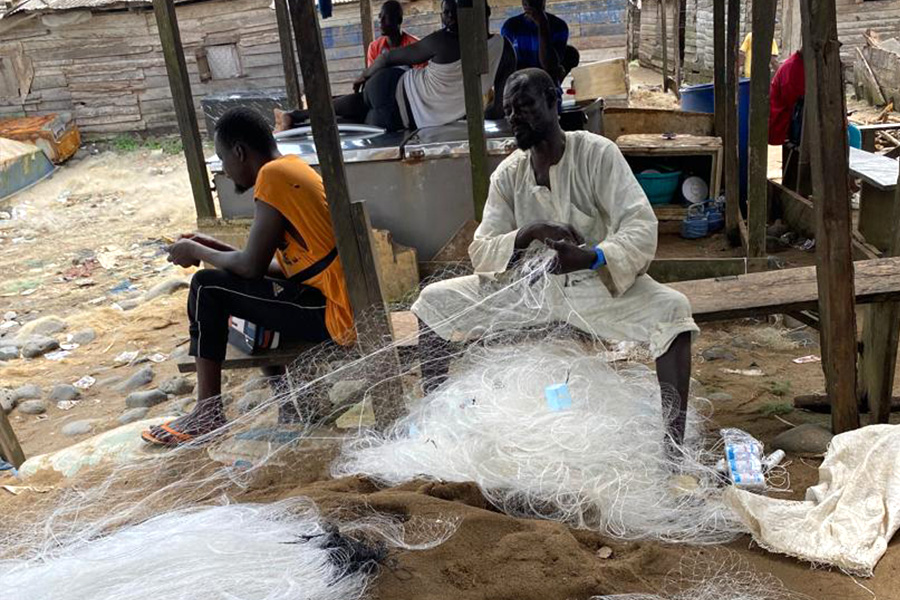
Globally, sustainable fishing respects marine ecosystems and adapts to the reproductive rate of fish to maintain a balance and ensure the survival of all species. Sustainable fishing uses selective methods, rejecting the indiscriminate capture of endangered species and avoiding waste. It is managed effectively if it leaves enough fish in the oceans and minimizes impacts on habitats and ecosystems.
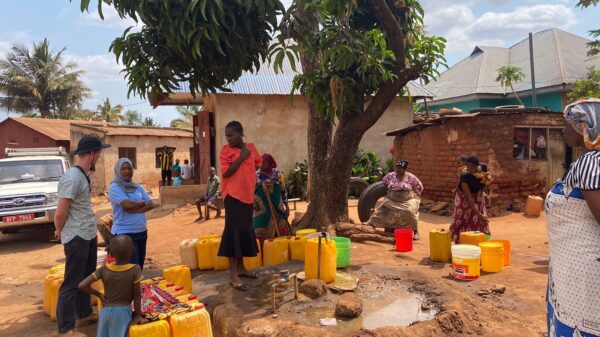
When fishing is practiced unsustainably, it leads to an insufficient supply of fresh fish, as seen in Bamusso, located in the Ndian Division of the Southwest Region of Cameroon, West Africa. In response, a local Change Network is emerging in Bamusso, bringing together community stakeholders, including fishers, leaders, and officials, to promote sustainable fishing practices.
This article explores the path towards the introduction of ecological fishing methods in Bamusso, highlighting the diverse voices and perspectives of the change agents involved.
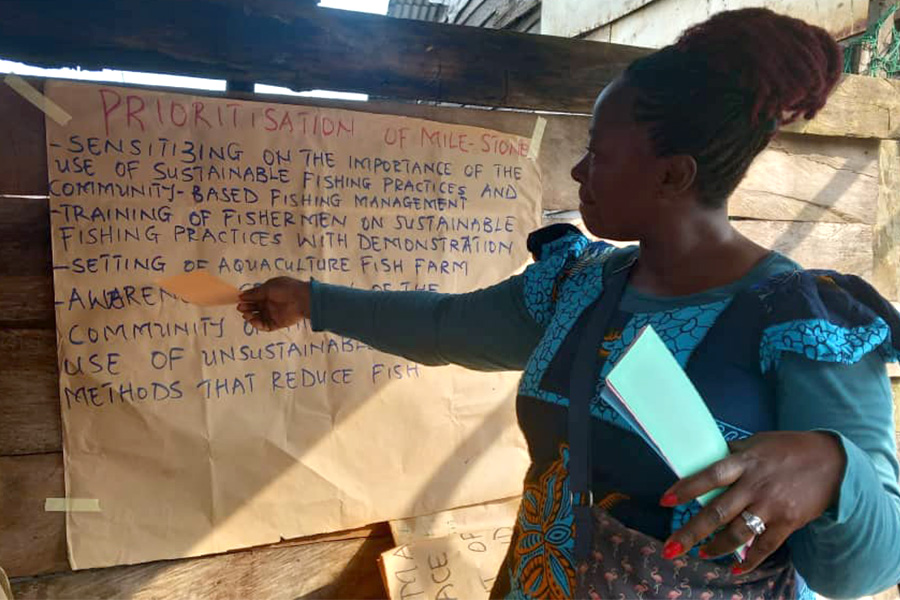

Fishermen's perspectives
75-801% of the people in Bamusso depend on fishing as their primary source of income, as it is the main economic activity in the area. However, most fishers and fish vendors cannot adopt modern and sustainable fishing methods and equipment because they cannot afford the necessary tools, such as adaptable nets to avoid bycatch, sustainable refrigerators and coolers, hooks, ice plants, and sonar technology. Furthermore, fishing boats and motors are often in poor condition.
“It’s difficult for us to keep our fish fresh because there’s no ice plant in Bamusso. We buy ice in big cities and transport it to our community at a higher cost. Sometimes our fish spoils because we don’t have enough ice. Our greatest wish is for an ice plant to be established in our community, which would greatly benefit all the fish vendors,” said Regina, a fish vendor and community advisor.
“We’ve seen the decline in fish stocks and the damage caused by destructive fishing methods. We’re tired of traveling many miles out to sea in search of fish. Our income levels have dropped dramatically over the years, as the fish that used to be plentiful near our waters have gradually moved to deeper waters. It’s not just about saving the environment, but about ensuring that our children can have fish in their future too,” added a fishmonger.
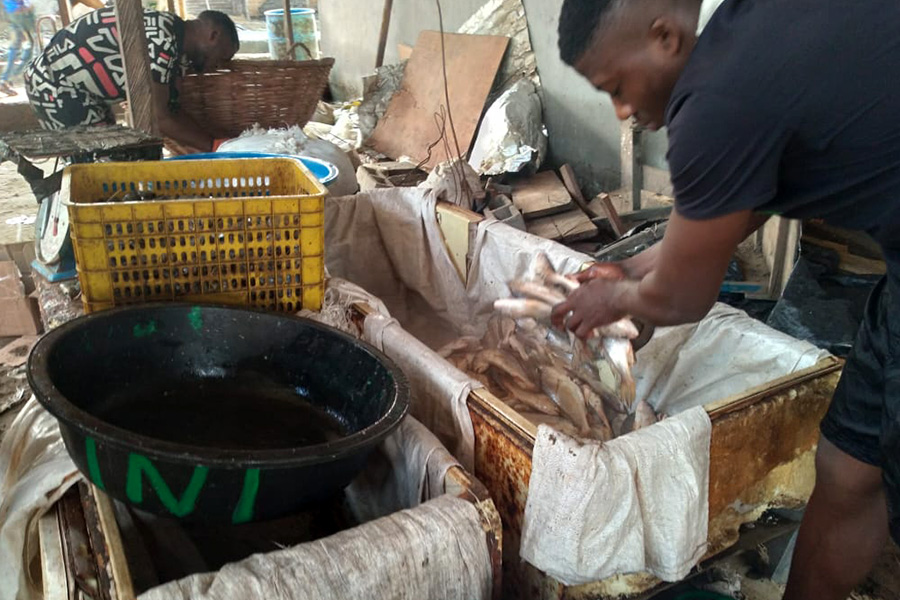
Government's opinion
The main problem lies in the non-compliance with fishing laws by both individual fishermen and large fishing companies, which promote the use of destructive methods such as small-mesh nets and bottom trawling, preventing the replenishment of fish stocks. Some companies violate their nautical mile limits by fishing closer to shore, and others use chemicals to kill fish, damaging marine life.
Furthermore, the government faces difficulties enforcing these laws due to limited patrols, staff shortages, and inadequate monitoring systems. Sometimes, local fishermen fish without the proper licenses.
“We are working with local fishers to establish marine protected areas, reduce bycatch, and protect habitats. We will do our best to ensure that the laws are respected by both local fishers and large fishing companies. To make this feasible, we need to collaborate with village chiefs, community leaders, and association leaders,” explained Mr. Marius, head of the Bamusso fishing center.
Suggestions from local carpenters and artisan processors
The carpenters build and maintain the fishing boats using local materials like wood, which deteriorates quickly, usually within six months. They also use worn-out tools like hammers and saws, and lack others, such as drills and milling machines. They say that government subsidies for materials would increase their income and improve the quality of the boats.
Mechanics, who repair boat engines, face similar challenges due to worn-out tools and a lack of critical equipment. They are calling for alternative fish farming methods to increase the fish supply before it's too late.
“How can we live in a coastal area and not have enough fish to feed our families? The demand for fish is extremely high in our community compared to what it was years ago. If this situation isn't addressed, there won't be enough fish for our children in the future,” said Hassan, a local household representative.
Council Representative's Perspective
“This project is a great initiative. If the government can deploy more staff to this area, it will be a major step forward in facilitating our work. Appropriate penalties should be imposed on violators to set a precedent for others to follow,” said a representative from the Bamusso council.
Conclusion
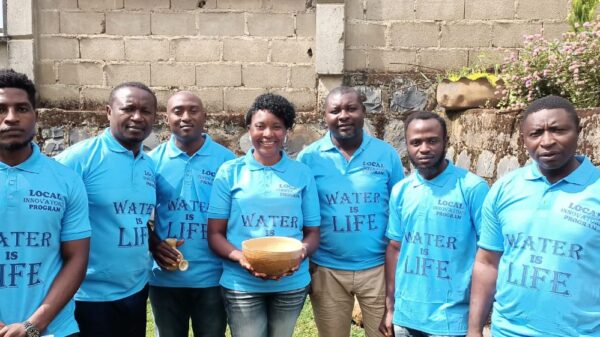
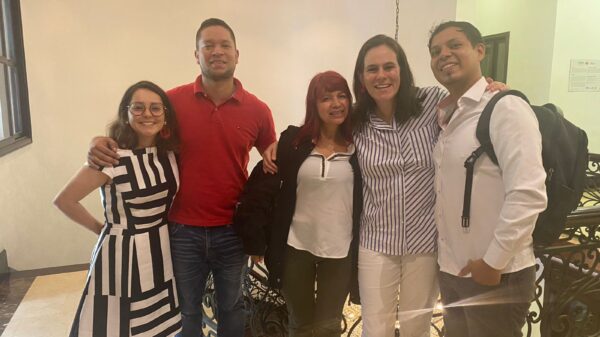
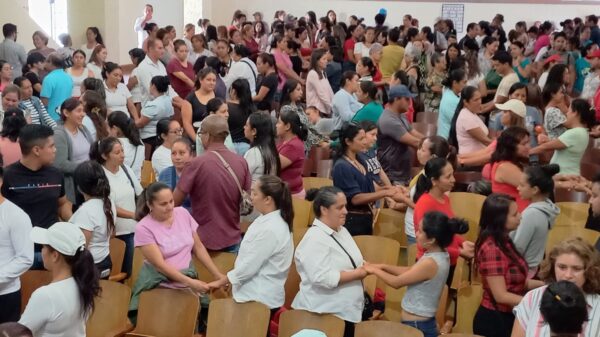
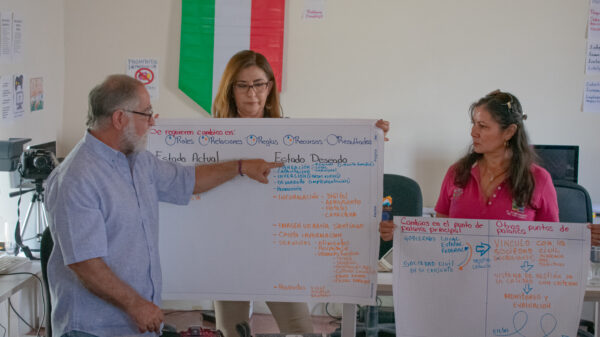
The Change Network Meeting brings together stakeholders from different sectors with the common goal of driving change and innovation. These meetings provide a space for information sharing, discussion, collaboration, and brainstorming on potential solutions to the challenges facing their community. The Change Network is expected to arrive at a shared definition of the problem, its causes and consequences, and propose possible solutions to address it.
Members of the change network are also expected to propose a collaborative action plan, detailing the steps needed to achieve each milestone.
The Change Network meeting held in Bamusso was a revelation for the community, as different stakeholders agreed on the need to improve fishing practices. Fishermen concurred that sustainable fishing gear should be used to protect aquatic life, while government officials focused on enforcing laws and penalizing violators. Community leaders are maintaining peace and promoting collective efforts, and the council is providing support for sustainable practices, such as the creation of fishponds.
The importance of the change network meeting cannot be overstated. It brought together ideas from diverse stakeholders that will greatly contribute to addressing the challenges facing the fishing sector in Bamusso. The meeting highlighted gaps in the sector and motivated the community to seek solutions. By listening to the voices of fishers, government leaders, fishmongers, households, council representatives, and local carpenters and artisans, we can work toward creating a more resilient and sustainable fishing industry. Together, we can ensure the long-term health of our oceans and the communities that depend on them.
ENG
by Dione Linda Sone, from Bamusso City
Bamusso's Path to Preserving Marine Resources
Worldwide, sustainable fishing respects marine ecosystems and adapts to the reproductive rate of fish to maintain a balance and ensure the survival of all species. Sustainable fishing uses selective methods, rejecting the indiscriminate capture of endangered species and avoiding waste. It is effectively managed if it leaves enough fish in the oceans and minimizes impacts on habitats and ecosystems.
When fishing is practiced unsustainably, it leads to an insufficient supply of fresh fish, as seen in Bamusso, located in the Ndian Division of South West Region of Cameroon, West Africa. In response, a local change network in Bamusso is emerging, bringing together community stakeholders—including fishermen, leaders, and officials—to promote sustainable fishing practices.
This article explores the journey of introducing eco-friendly fishing methods in Bamusso, highlighting the diverse voices and perspectives of the change makers involved.

Fishermen's perspectives
75-80% of the people in Bamusso rely on fishing as their primary source of income, as it is the main economic activity in the area. However, most fishermen and fishmongers are unable to adopt modern, sustainable fishing methods and materials, as they cannot afford the necessary tools, such as adaptable net sizes to avoid by-catch, sustainable coolers and refrigerators, hooks, ice plants, and sonar technology. Additionally, fishing boats and engines are often dilapidated.
“"It is difficult for us to preserve fresh fish due to the absence of an ice unit in Bamusso. We buy ice from big cities and transport it to our community at a higher cost. Sometimes, our fish even goes bad due to the lack of ice. Our greatest wish would be the establishment of an ice unit in our community, which would greatly benefit every fishmonger," said Regina, a fishmonger and counselor.
“"We've seen the decline of fish stocks and the damage caused by destructive fishing methods. We are tired of traveling many kilometers into the sea in search of fish. Our income levels have drastically dropped over the years, as fish that used to be abundant near our waters has gradually moved further into the high seas. It's not just about saving the environment, it's about ensuring that our children can also have fish in their future," added fishmonger.
Government opinion
The major issue lies in the non-observance of fishing laws by fishermen and large fishing companies, promoting the use of destructive methods, such as small mesh nets and bottom trawling, which prevent fish populations from replenishing. Some companies violate their nautical mile limits by fishing closer to the shore, and others use chemicals to kill fish, damaging marine life.
In addition, the government faces challenges enforcing these laws due to limited patrols, lack of staff, and poor surveillance systems. Local fishermen sometimes fish without proper licenses.
“"We're working with local fishermen to establish marine protected areas, reduce by-catch, and protect habitats. We will do our best to ensure the laws are respected by both local fishermen and big fishing companies. For this to be feasible, we need to collaborate with village heads, community leaders, and association leaders," explained Mr. Marius, chief of the fishery center of Bamusso.
Suggestions from local carpenters and artisanal processors
Carpenters build and maintain the fishing boats using local materials such as wood, which deteriorates quickly, typically within six months. They also use worn-out tools like hammers and saws and lack others, such as drills and routers. They stated that government subsidies for materials would increase their income and improve boat quality.
Mechanics, who repair boat engines, face similar challenges due to worn-out tools and the lack of critical equipment. They call for alternative fish farming methods to increase fish supplies before it is too late.
“"How can we live in a maritime area and not have enough fish to feed our families? The demand for fish is extremely high in our community compared to what we had years ago. If this situation isn't handled, there won't be enough fish left for our children in the future," said Hassan, a local household representative.
Council representative's perspective
“"This project is a great initiative. If the government can deploy more staff to this area, it will go a long way in facilitating our work. Proper penalties should be imposed on defaulters to set an example for others to follow," said a representative of the Bamusso council.
Conclusion
The Change Network Meeting brings together stakeholders from different sectors with a common goal of driving change and innovation. Within these spaces there is information sharing, discussion, collaboration and brainstorming on possible solutions to the challenges facing their community. The change network is expected to arrive at a shared definition of the problem, its causes and consequences, and propose possible solutions to address it.
Members of the change network are also expected to brainstorm and create a collaborative action plan, detailing the steps that would be required to achieve each milestone.
The Change Network meeting held in Bamusso was an eye-opener for the community, as different stakeholders agreed on the need to improve fishing practices. Fishermen agree that sustainable fishing materials should be used to protect aquatic life, while government officials are focused on enforcing laws and penalizing defaulters. Community leaders are maintaining peace and promoting collective efforts, and the council is providing support for sustainable practices, such as fish pond creation.
The importance of the change network meeting cannot be overstated. It brought together ideas from various stakeholders that will go a long way in addressing the problems facing the fishery sector in Bamusso. The meeting highlighted gaps in the sector and motivated the community to seek solutions. By listening to the voices of fishermen, government leaders, fishmongers, households, council representatives, and local carpenters and artisans, we can work toward creating a more resilient and sustainable fishing industry. Together, we can ensure the long-term health of our oceans and the communities that depend on them.