






Older people, protagonists of their digital inclusion
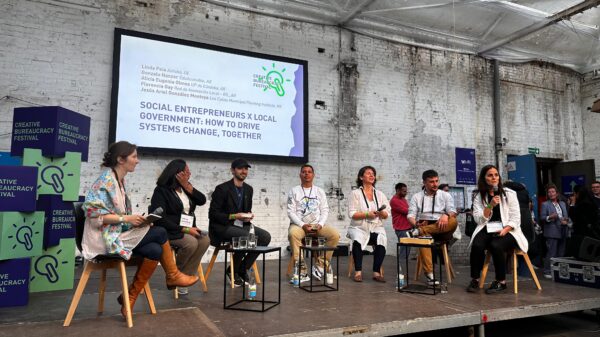
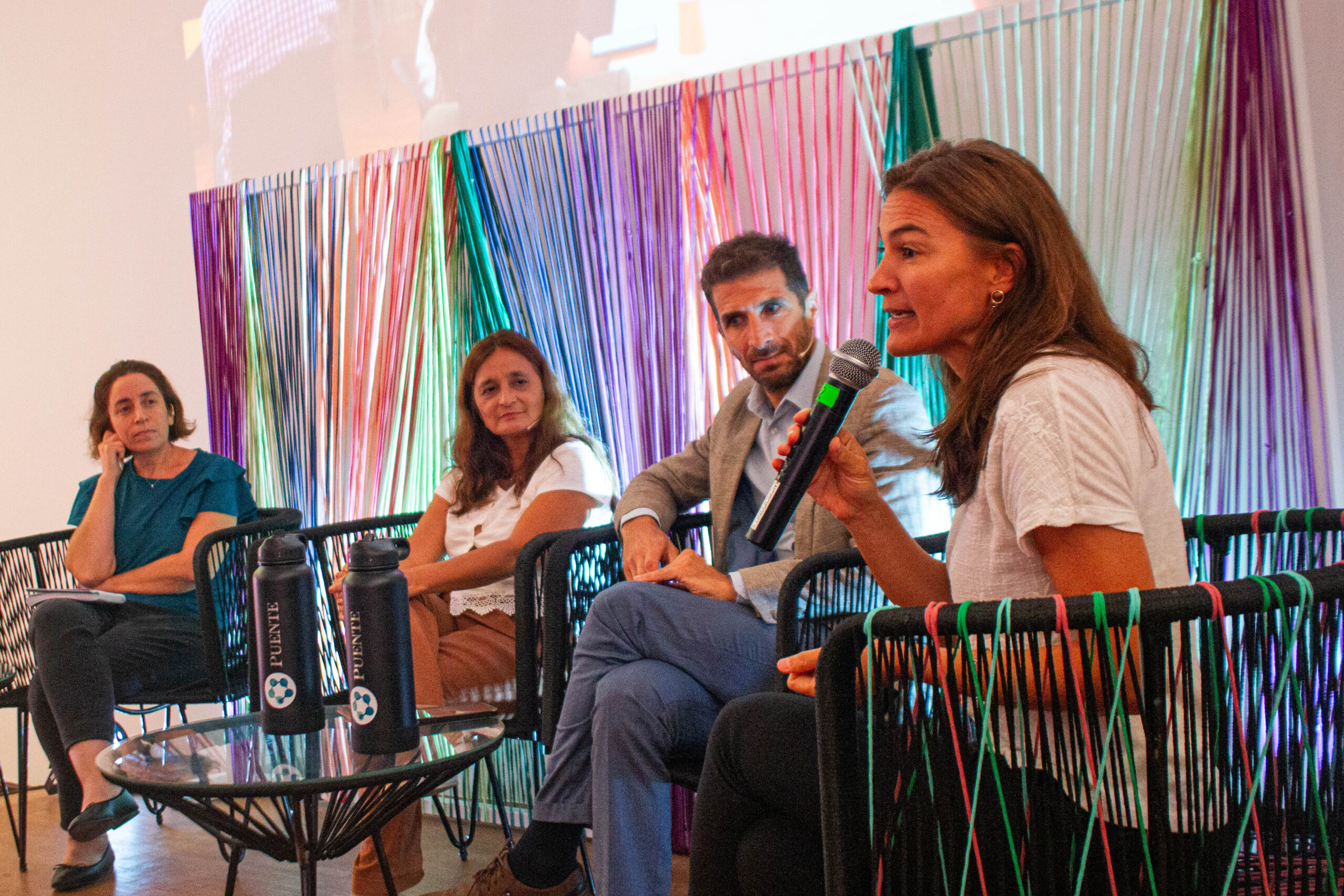
In Buenos Aires, where over 23% of the population is over 60, an initiative developed within the 2024 Local Innovators Program seeks to combat digital exclusion through a collaborative and scalable model. Digital Consultations for Older Adults, managed by volunteer peers, offer autonomy and participation in the digital world. This talented team participated in the GDC Americas Forum, held on March 19 and 20 in Buenos Aires, where they presented the initiative and how this model can be scaled.
The problem
More than 715,000 senior citizens live in Buenos Aires, and those in the 60% group face difficulties completing online procedures. Although initiatives exist, few manage to scale and adapt to the specific needs of this population.
“We transform prejudices into opportunities. In this case, the challenges are clear from the beginning, and we always keep older people at the center of the conversation,” says Verónica Capurro, director of Digital Immigrants, psychologist, teacher and social entrepreneur.
Digital exclusion not only limits access to essential services but also reinforces dependency and social isolation. As Angélica Pomato, one of the project participants, describes it: “The computer doesn't bite, let's start there.” She emphasizes the importance of peer collaboration, stressing that “it's very important that we know how to do it ourselves, and that we can teach people our age, because it's not just about completing a procedure. For me, it's wonderful to have learned so much.”.
For older adults, technology represents both a barrier and an opportunity. “At first, we struggled to overcome the barrier imposed by both the older adults themselves and their environment regarding their ability to be independent in using technology. Training them as digital facilitators was key to building trust and making content and opportunities to help their peers accessible,” Capurro adds.
The solution: older people taking the lead in their digital inclusion
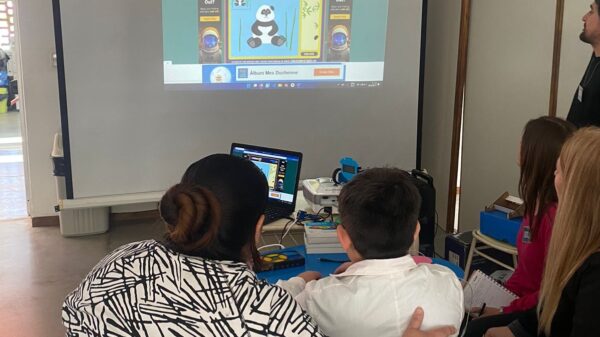
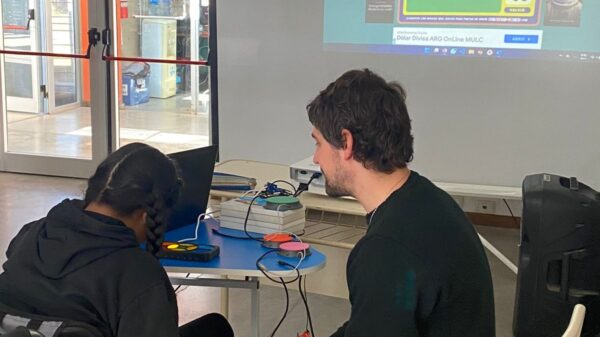
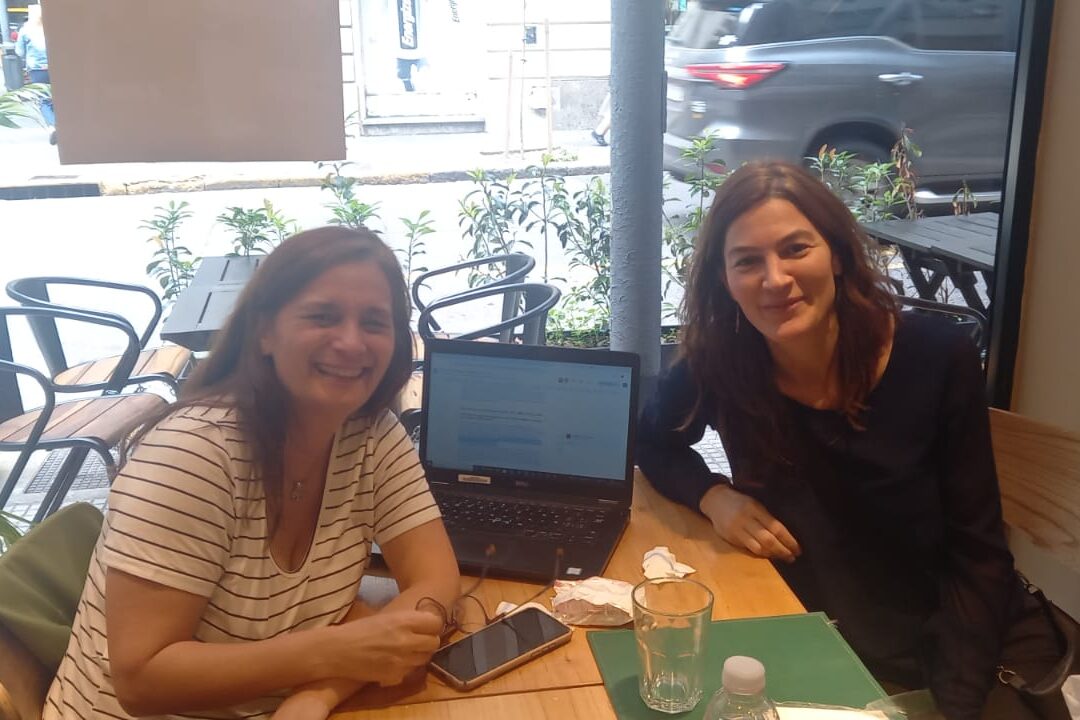
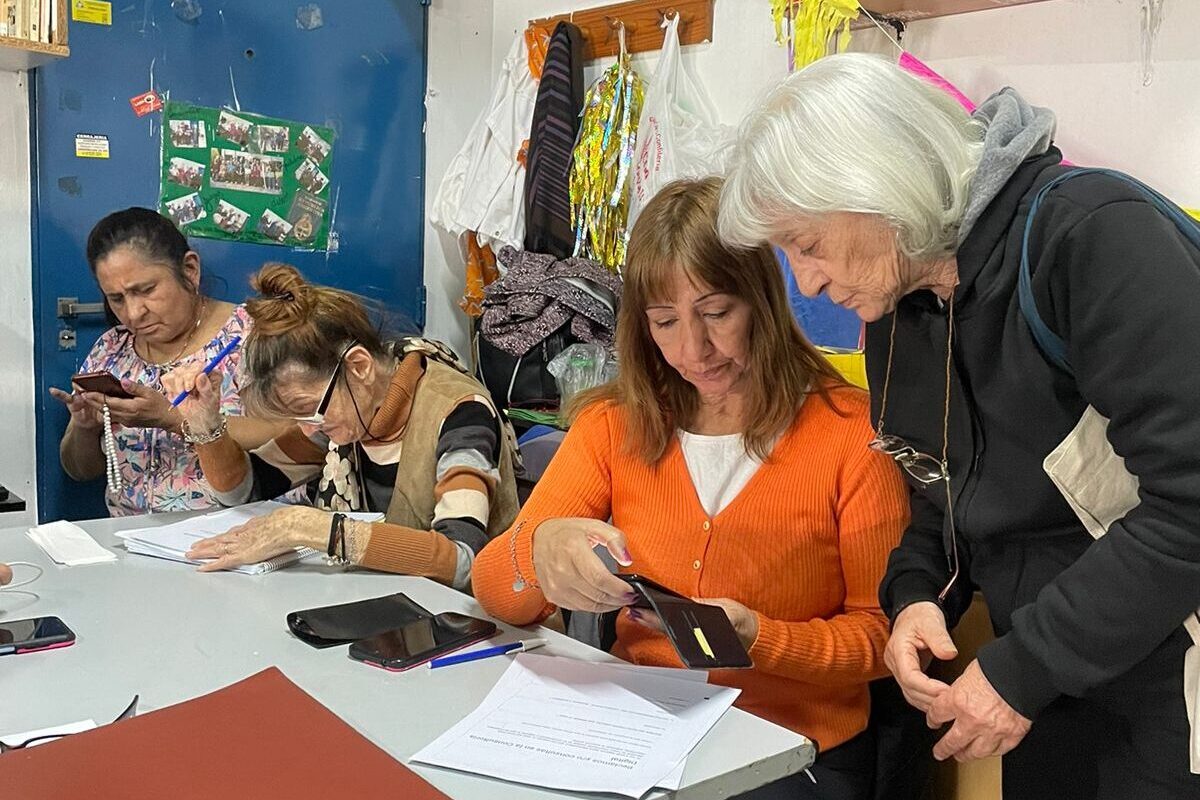
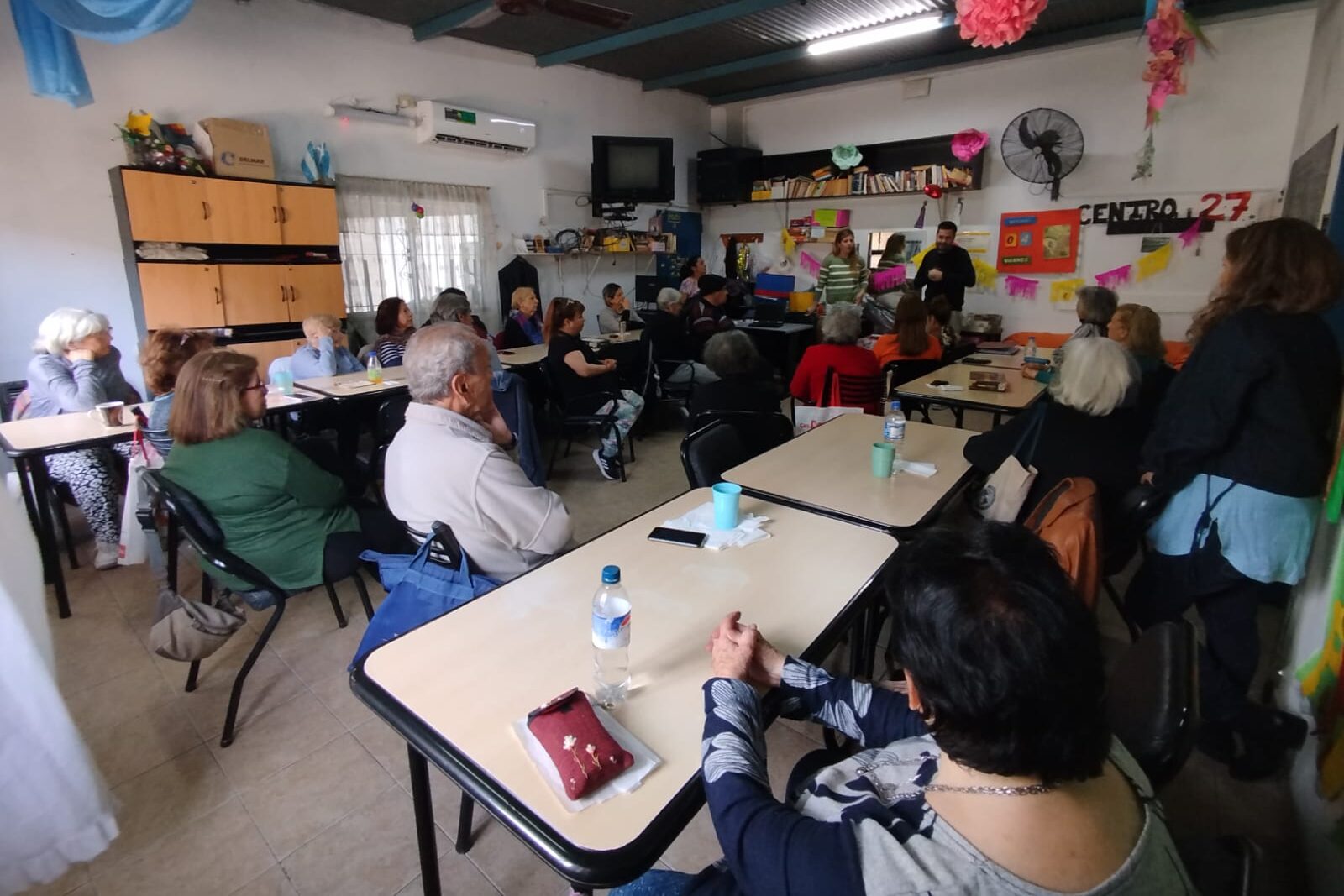
The project proposes the creation of digital consultancies in GCBA Day Centers, where older adults trained as digital facilitators assist their peers. This model combines personalized training, practical tools such as a resource guide for digital procedures, and intersectoral partnerships to ensure its sustainability.
“What unites us is the conviction to put people at the center,” Capurro emphasizes. “Before, we worked in a network, but we didn’t usually combine their strengths in the design. This time, we invited other stakeholders from the very beginning.”.
Florencia Platino, liaison for the Government of the City of Buenos Aires, emphasizes: “The methodology of the Local Innovators Program allowed us to delve deeper into the problem of the digital divide from a systemic perspective, identify opportunities for improvement, and integrate approaches that we had not previously considered. Now we complement each other as a team and have managed to strengthen the initiative with infrastructure, resources, and experience.”.
The design included a pilot program in two Day Centers, which allowed for the validation of hypotheses, the adjustment of solutions, and the inclusion of new stakeholders. “Some are surprised by the impact of the proposal,” Capurro adds.
Older people as protagonists of their digital inclusion
Collaborative work also allows for significant achievements.
Alba Imbert, coordinator of Day Center Number 1, recounts a case that illustrates how technology can have a transformative impact: “An elderly man hadn't been able to locate one of his children for about five years. Through the day center, we searched for him on social media, through the Federal Police's Missing Persons Unit (COB), and using various tools we discovered based on our training. We finally found the person, and the two were reunited.” It was like magic.
Finally, Clara Robledo, from Hogar Rawson, shares her personal experience: “Before I was very 'me', through this program I have become more supportive of my colleagues.‘.
This is the first collaborative project between Digital Immigrants and the City of Buenos Aires (GCBA). Although there were initial challenges, the team emphasizes the importance of listening and collaboration. “We make time to listen to each other. Having a facilitator who helps us integrate perspectives and manage time was key,” says Capurro.
“The collaborative work process proposed by the Local Innovators Program helped us move from the idea to the development of a tested initiative, with participatory design, replicable and scalable,” Platino concludes.
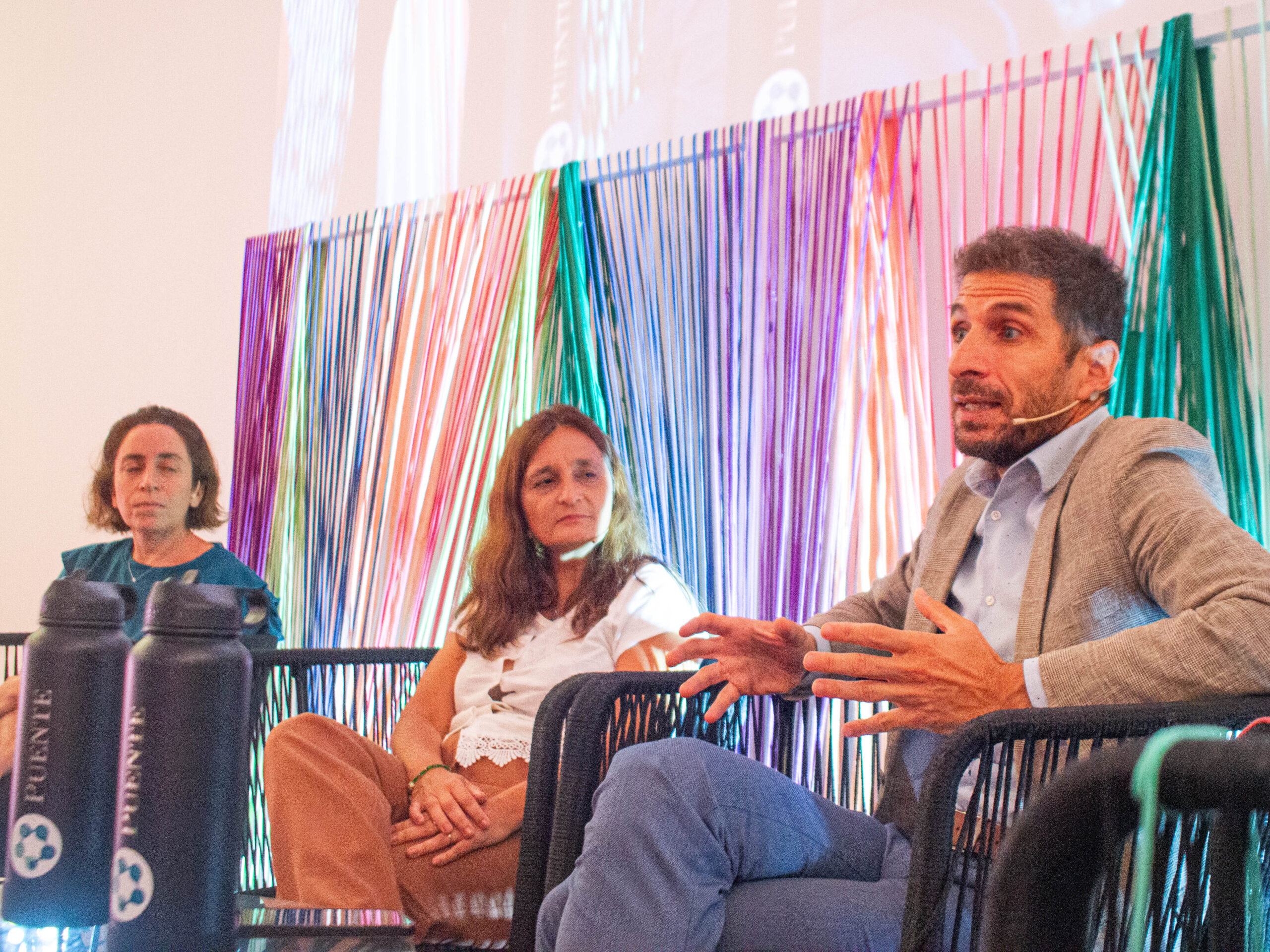
At the GDC Americas Forum, Gonzalo Straface, General Director of the Silver Economy at the Undersecretariat for Older Persons of the City of Buenos Aires, emphasized the importance of addressing the challenges of digital inclusion for older adults collaboratively: “There are many challenges to overcome regarding the inclusion of older adults. They range from mobility to employment. If we don't tackle this together with the private sector and civil society, it's impossible. The government must create incentives for companies to hire older adults.”.
The team is seeking funding and strategic partners to scale this digital inclusion model. Digital Consultancies for Older Adults offer a unique opportunity to transform lives, empower communities, and build an inclusive ecosystem in an increasingly digital world.
What makes this initiative innovative? Older people as protagonists of their digital inclusion
The Digital Consulting model for Older Adults is innovative for several reasons:
- It puts older people at the center: They themselves volunteer to receive training and become digital facilitators to support their peers.
- It integrates multiple actors from the design stage: Unlike other initiatives, it involves the public and private sectors and social organizations from the earliest stages.
- Proven methodology: The implementation of the pilot allowed us to adjust solutions, prioritize key products such as the resource manager, and validate the expected impact.
- Replicable model: The proposal can be easily adapted to other community spaces, promoting active aging and digital inclusion.
This initiative not only solves an immediate problem, but also lays the foundation for a more inclusive and connected society, where technology is a tool for integration for all.
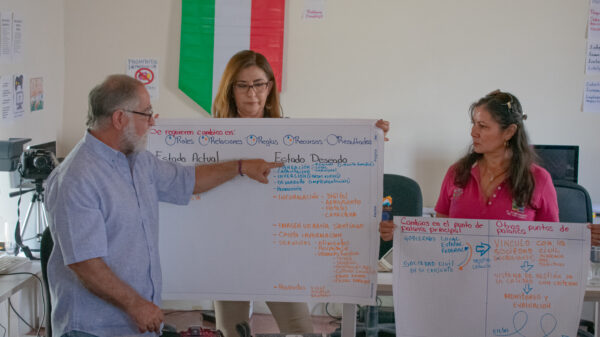
Platino maintains: “The Change Network meeting, with different sectors involved, is fundamental to validating hypotheses and bringing together other actors who share the same challenges. This collaboration allows co-created solutions to be more robust and sustainable.”.
Expected impact and sustainability
With 12 planned consultancies in Day Centers, the project is expected to directly benefit 1,400 seniors and indirectly reach another 6,000. This scalable and replicable model could be expanded to other community spaces, such as senior centers, clubs, and universities.
“We want the impact of our actions to be visible,” says Capurro. The team is working on designing joint training programs and digital resources to support the digital facilitators, ensuring the project is sustainable and accessible to more communities. Those interested in joining can find more information by visiting the Local Solutions Marketplace link. https://i-marketplace.org/proyectos-int.php?proyecto=199
Older people as protagonists of their digital inclusion
ENG
Older Adults, Leading the Way in Their Own Digital Inclusion
In Buenos Aires, where over 23% of the population is aged 60 and older, an initiative developed through the 2024 Local Innovators Program aims to tackle digital exclusion through a collaborative and scalable model. The Digital Consultations for Older Adults, led by volunteer peers, offer autonomy and participation in the digital world. This dedicated team was part of the GDC Americas Forum held on March 19–20 in Buenos Aires, where they presented the initiative and discussed how this model can be scaled.
The Challenge
More than 715,000 older adults live in Buenos Aires, 60% of whom face challenges in completing digital procedures. Although some initiatives exist, few manage to scale and adapt to the specific needs of this demographic.
“"We turn prejudice into opportunity. In this case, the challenges are clear from the start, and we always keep older adults at the center of the conversation," says Verónica Capurro, director of Digital Immigrants, psychologist, teacher, and social entrepreneur.
Digital exclusion not only limits access to essential services—it also reinforces dependency and social isolation. As Angélica Pomato, one of the project participants, puts it: “Computers don't bite—let's start there.” She emphasizes the importance of peer collaboration: "It's important that we know how to do it ourselves and that we can teach people our own age. It's not just about completing a task. For me, it's amazing how much I've learned."“
For older adults, technology can be both a barrier and an opportunity. "At first, it was hard to overcome the mental barriers—both from the older adults themselves and their environments—regarding their ability to use technology autonomously. Training them as digital facilitators was key to building trust and making content and opportunities accessible to their peers," adds Capurro.
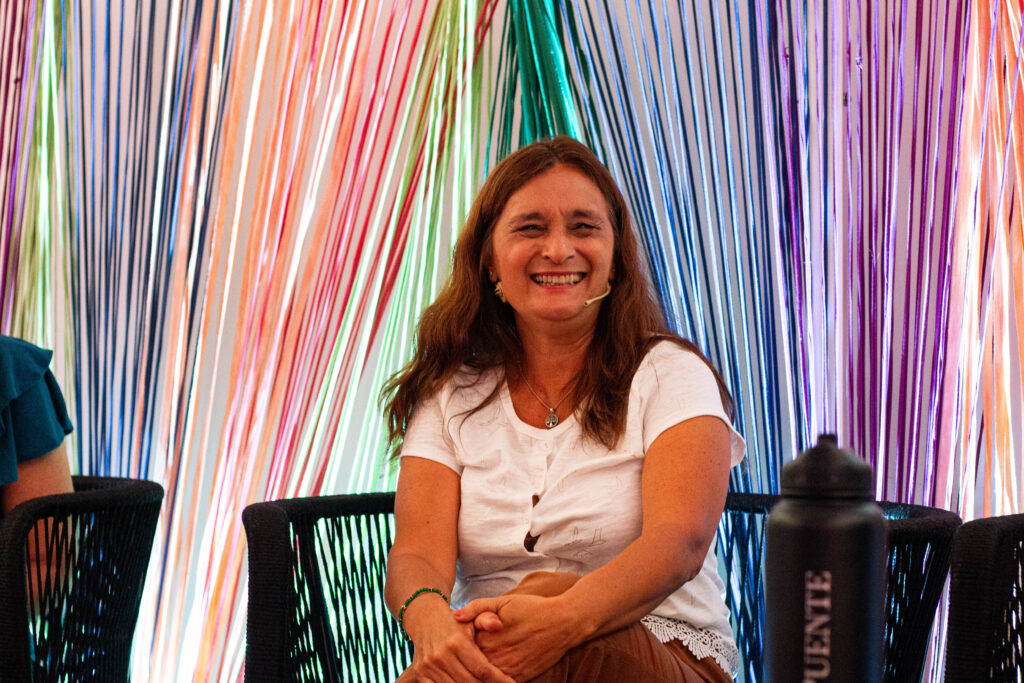
PH: Danila Pagano Bianchini.
The Solution: Inclusive Digital Consultations
The project proposes setting up digital consultations in public Day Centers run by the Buenos Aires City Government (GCBA), where older adults trained as digital facilitators help their peers. This model combines personalized training, practical tools—like a digital procedures resource guide—and cross-sector partnerships to ensure sustainability.
“What unites us is the conviction to put the person at the center,” says Capurro. "We used to work in networks, but didn't usually involve their strength in the design process. This time, we brought others in from the very beginning."“
Florencia Platino, liaison for the Buenos Aires City Government, emphasizes: "The methodology of the Local Innovators Program allowed us to delve into the digital divide from a systemic perspective, identify improvement opportunities, and integrate approaches we had not previously considered. Now, as a team, we complement each other and enhance the initiative with infrastructure, resources, and expertise."“
The design included a pilot in two Day Centers that helped validate hypotheses, refine solutions, and bring in new stakeholders. “Some are surprised by the proposal's impact,” Capurro adds.
Collaborative Work Yields Real Results
Alba Imbert, coordinator of Day Center No. 1, shares a story illustrating how technology can transform lives: "One older adult hadn't had any contact with one of his children for about five years. Through the Day Center, we searched on social media, contacted the Missing Persons Unit of the Federal Police, and used the tools we had learned about—and we found the person. They were reunited." It was magic.
Finally, Clara Robledo from Hogar Rawson shares her personal experience: "I used to be very focused on myself. Through this program, I've become much more supportive of my peers."“
This marks the first collaborative effort between Digital Immigrants and the GCBA. Although there were initial challenges, the team highlights the importance of active listening and coordination. "We make space to listen to one another. Having a facilitator to help integrate perspectives and manage timelines was key," says Capurro.
“The joint process encouraged by the Local Innovators Program helped us move from an idea to a fully tested initiative, with participatory design, that's both replicable and scalable,” Platino concludes.
At the GDC Americas Forum, Gonzalo Straface, General Director of the Silver Economy at the Buenos Aires City Government's Office for Older Adults, emphasized the need to address the challenges of digital inclusion collaboratively:
“"There are many challenges when it comes to including older adults—from mobility to employment. If we don't tackle this together with the private sector and civil society, it won't work. As a government, we must create incentives for companies to hire older adults."”
The team is now seeking funding and strategic partners to scale this digital inclusion model. Digital Consultations for Older Adults represent a unique opportunity to transform lives, empower communities, and build an inclusive ecosystem in an increasingly digital world.
What Makes This Initiative Innovative?
The Digital Consultations for Older Adults model is innovative for several reasons:
- It puts older adults at the forefront: They volunteer to receive training and become digital facilitators who support their peers.
- It integrates multiple stakeholders from the start: Unlike other efforts, it involves the public and private sectors as well as social organizations from the design phase.
- Proven methodology: The pilot's implementation allowed the team to refine solutions, prioritize key tools like the resource guide, and validate expected impact.
- Scalable model: The initiative can be easily adapted to other community spaces, promoting active aging and digital inclusion.
This initiative not only addresses an immediate issue—it lays the foundation for a more inclusive and connected society, where technology becomes a tool for integration, not division.
Platino notes: "Bringing together the Change Network, with different sectors involved, is essential to validate hypotheses and bring in others facing similar challenges. That collaboration makes co-created solutions stronger and more sustainable."“
Expected Impact and Sustainability
With 12 consultations planned in Day Centers, the project expects to directly benefit 1,400 older adults and reach an additional 6,000 indirectly. This replicable and scalable model could expand to other community spaces like retirement centers, clubs, and universities.
“We want our impact to be visible,” says Capurro. The team is working on designing joint training and digital resources to support the facilitators, ensuring the project remains sustainable and accessible to more communities.
Those interested in joining the effort can learn more by visiting the Local Solutions Marketplace: https://i-marketplace.org/proyectos-int.php?proyecto=199