




By Muneer Al-Ashmali from the city of Taiz.
Discover the challenges faced by waste pickers in Taiz, Yemen, as told by Muneer Al-Ashmali, leader of Eco Innovators-Ye.
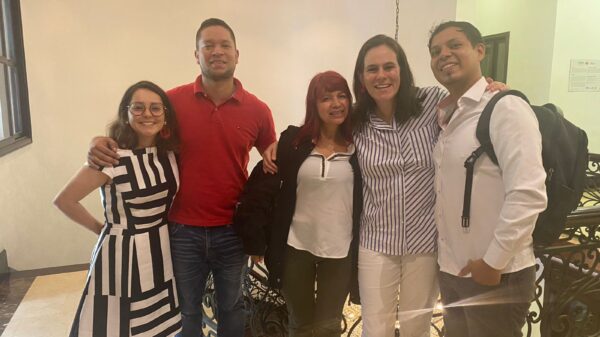
Eco Innovators-Ye is a diverse group led by Muneer Al-Ashmali, from the city of Taiz.
Our team includes social entrepreneurs, government leaders, communicators, experts, specialists, and support volunteers. We are united by our shared belonging to the city of Taiz, driven by a sense of duty to our city and a passion for finding innovative solutions to the city's waste problem. We are motivated by a desire to learn from each other's experiences and a determination to overcome obstacles.
We understand that the most affected citizens are often overlooked. As part of an empathy initiative, we conduct outreach activities and interviews with those who collect and search for recyclable materials, aiming to understand their suffering, concerns, and aspirations. We discovered that getting closer to these people helps our feelings and minds work in harmony as we develop strategies and work to solve the waste problem in Taiz.
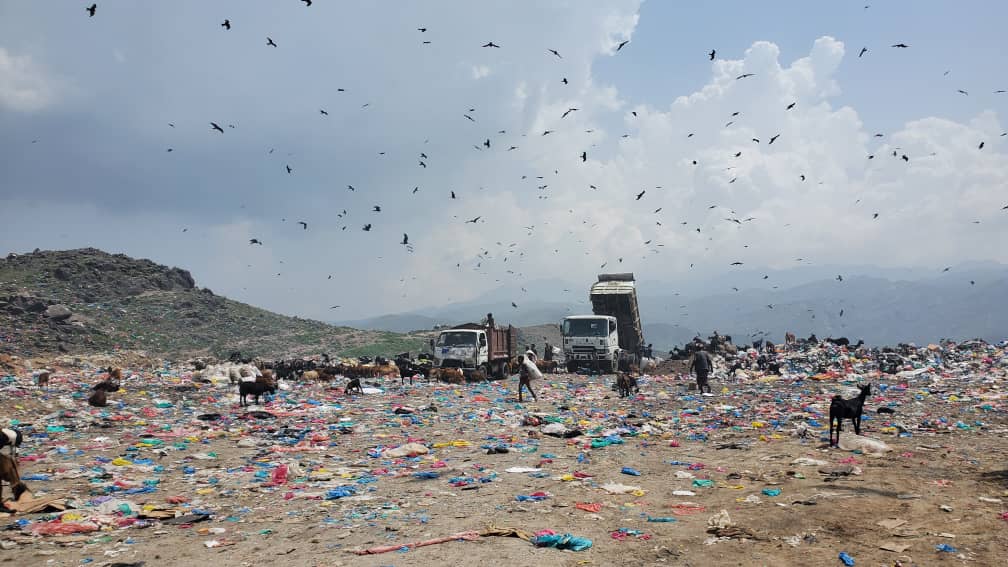
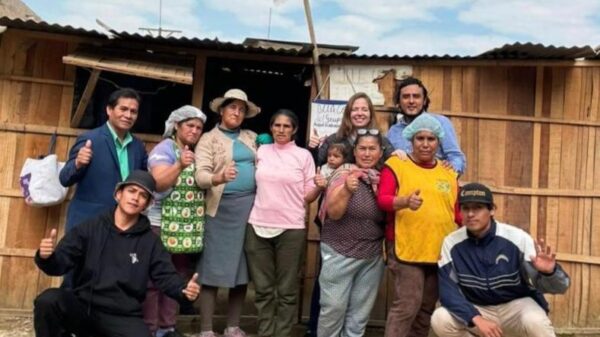
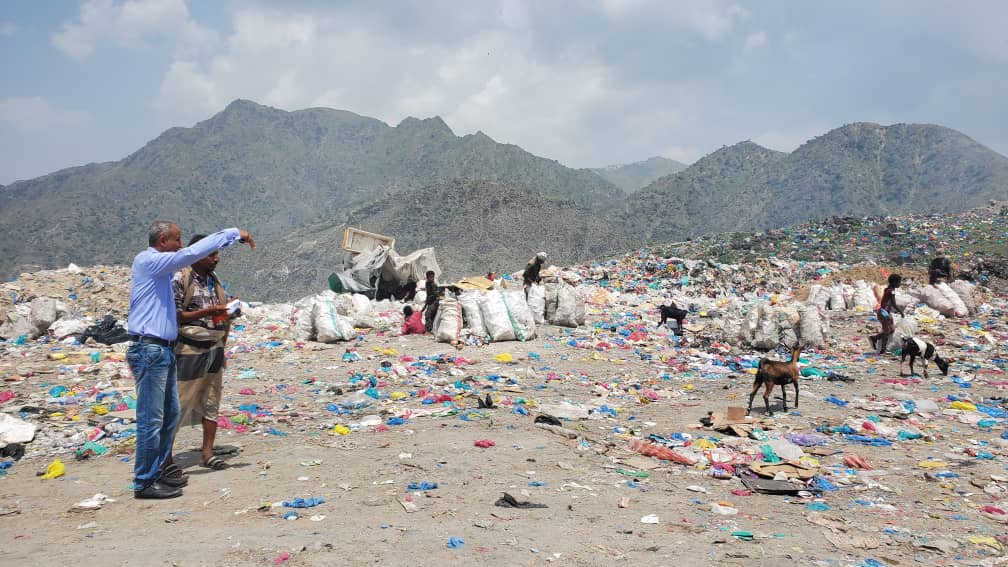
At midday, my team and I went to the landfill, where some of the recyclers worked. This was part of an empathy activity I wanted to participate in, with the aim of learning about the stories and aspirations of those who are often invisible in society.
Upon arriving at the landfill, I saw a group of men and women rummaging through the piles, collecting recyclable materials and placing them in large bags. I approached them with a friendly greeting and asked about their work and circumstances. They were very enthusiastic about talking to me and shared their compelling stories. Some had been working in this field for many years, while others had recently joined after losing their jobs in the past few years. They all emphasized the importance of this work in supporting their families and meeting their basic needs.
Some of the testimonies:
“We get up every morning and go out into the street to rummage through the sidewalks and recycling bins. These materials are mixed with organic waste and dirt, which makes the task difficult. We have to search carefully to separate the plastic, glass, and paper before we can sell them. After all this hard work, what we earn is barely enough.”.
But what other choice do we have? We need that meager income to pay the rent, for food, and other essential expenses. It's hard work and sometimes dangerous, but it's better than being unemployed.
We hope our circumstances will improve someday, but for now, this is all we can do to support ourselves and our families. We continue to search and sort, hoping to earn enough to live with dignity.
We are fully aware that this exercise in empathy is fundamental to giving voice to the hidden struggles these workers face in their search for a decent life.
If you want to support these types of projects, visit our Local Solutions Marketplace: https://i-marketplace.org/
ENG
THE UNSEEN STRUGGLE OF WASTE COLLECTORS: SURVIVING WITH DIGNITY IN YEMEN
Discover the hidden challenges of waste collectors in Taiz, Yemen, as told by Muneer Al-Ashmali, leader of Eco Innovators-Ye.
Eco Innovators-Ye is a diverse group led by Muneer Al-Ashmali from Taiz city.
Our team includes social entrepreneurs, government leaders, communicators, experts, specialists, and supporting volunteers. We are united by our shared connection to Taiz city, driven by a sense of duty towards our city and a passion for finding innovative solutions to its waste problem. We are motivated by a desire to learn from the experiences of others and a determination to overcome obstacles.
We understand that the most affected citizens are often overlooked. As part of an empathy activity, we conducted outreach and interviews with those who collect and search for recyclable materials from place to place, aiming to understand their suffering, concerns, and aspirations. We found that getting closer to these individuals helps blend our feelings and minds to work in harmony as we develop strategies to address the waste problem in Taiz.
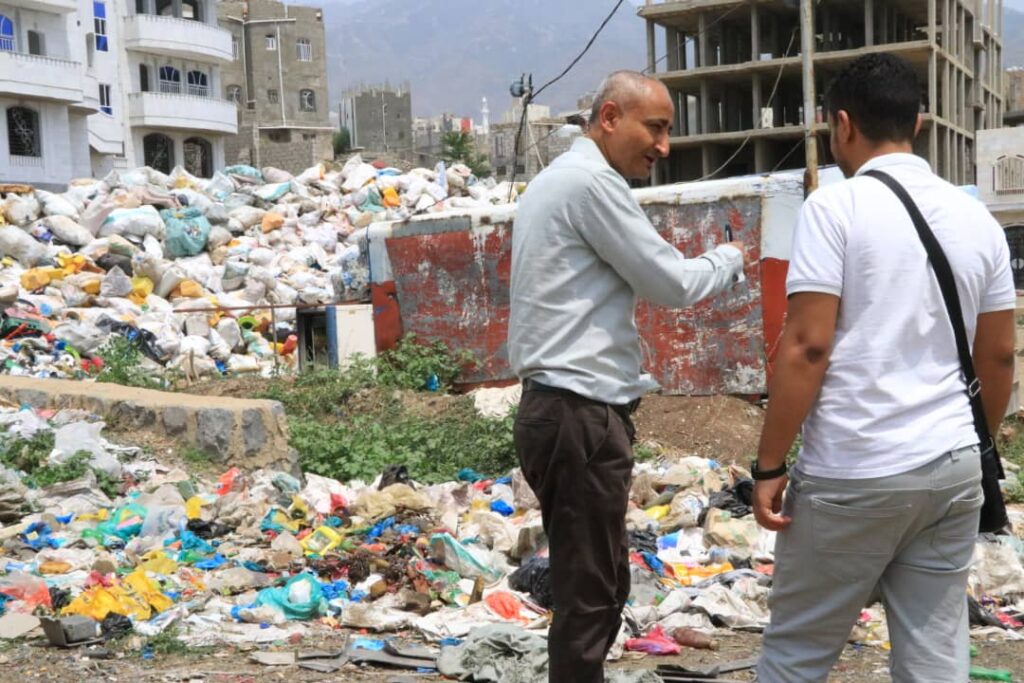
At midday, my team and I went to the landfill where some of the waste collectors were working. This was part of an empathy activity I wanted to participate in to learn about the stories and aspirations of those who are often invisible in society.
Upon arriving at the landfill site, I saw a group of men and women searching through the piles and collecting recyclable materials, placing them in large bags. I approached them with a friendly greeting and asked about their work and circumstances. They were very enthusiastic to speak with me and shared their compelling stories. Some had been working in this field for many years, while others had recently joined after losing their jobs. They all emphasized the importance of this work in supporting their families and providing for their basic needs.
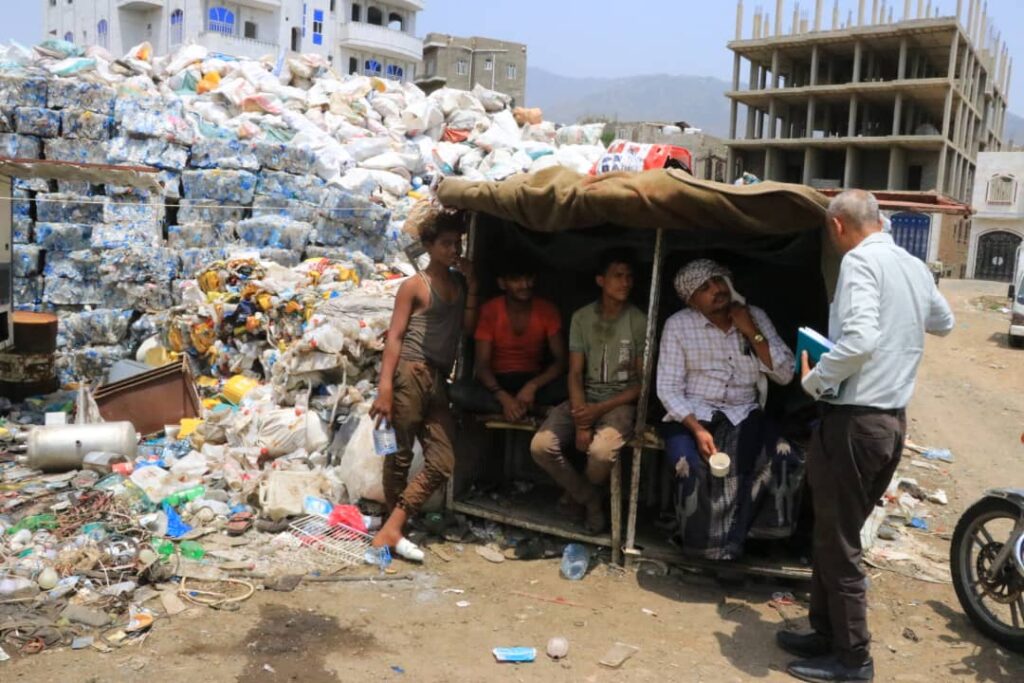
Their words conveyed:
“"We wake up every morning and venture out to the streets to scavenge the sidewalks and containers for recyclable materials. These materials are mixed with organic waste and dirt, making the task more difficult. We need to search carefully to separate the plastic, glass, and paper before we can sell them. After all this hard effort, what we earn is barely enough.
But what other choice do we have? We need these meager earnings to pay for rent, food, and other essential expenses. It is a hard and sometimes dangerous job, but it is still better than being unemployed.
We hope that our circumstances will improve someday, but for now, this is all we can do to sustain ourselves and our families. ”We continue to search and sort, with the hope of earning enough to live with dignity.”
We fully realize that this empathy exercise is critical to giving a voice to the hidden struggles faced by these workers in their pursuit of living with dignity.
If you want to support this kind of projects, visit our Local Solutions Marketplace: https://i-marketplace.org/