


By Maire Claire, KujaEcoPads, Bamenda, Cameroon
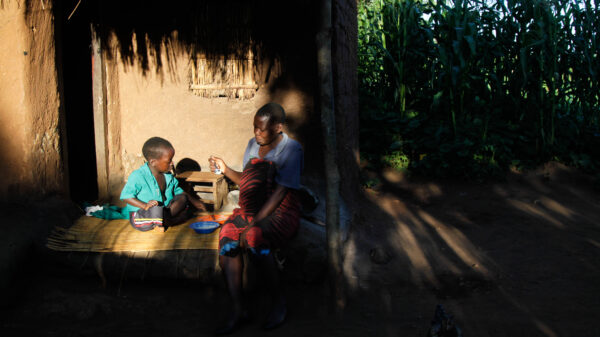
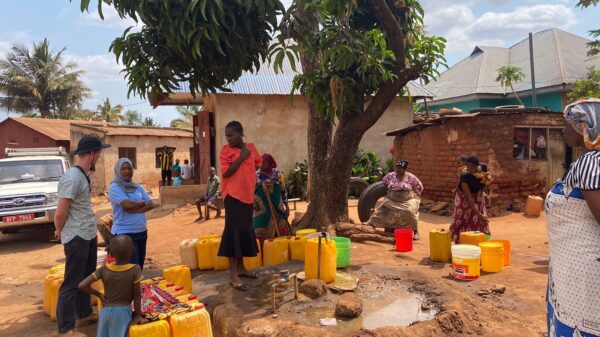
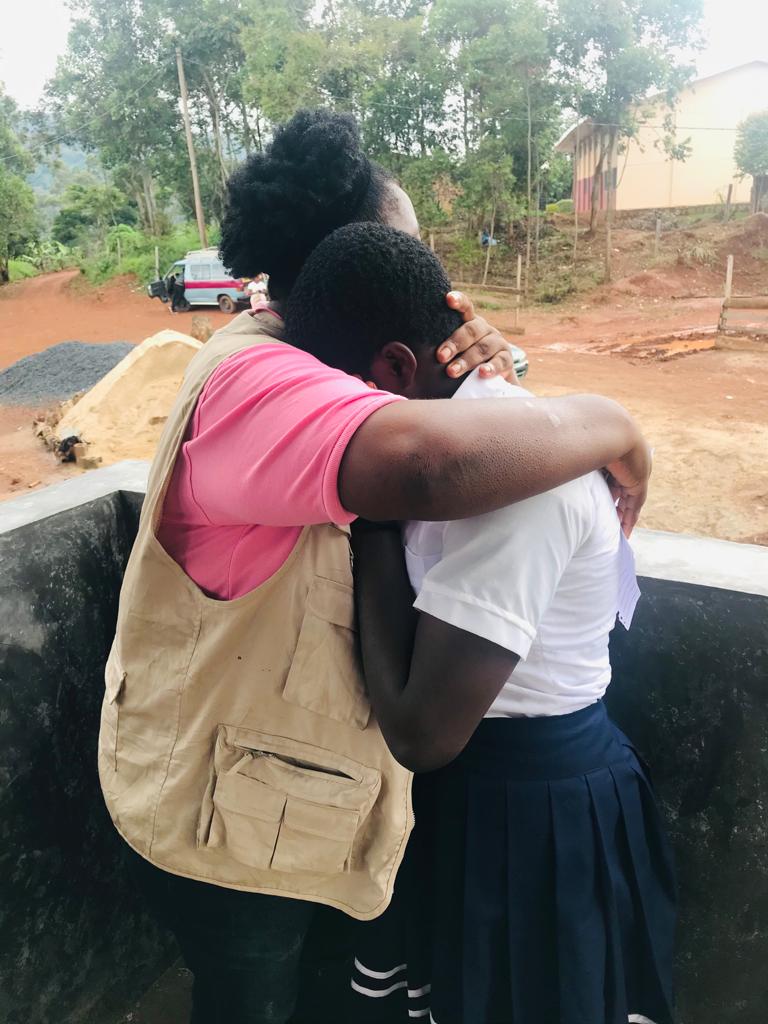
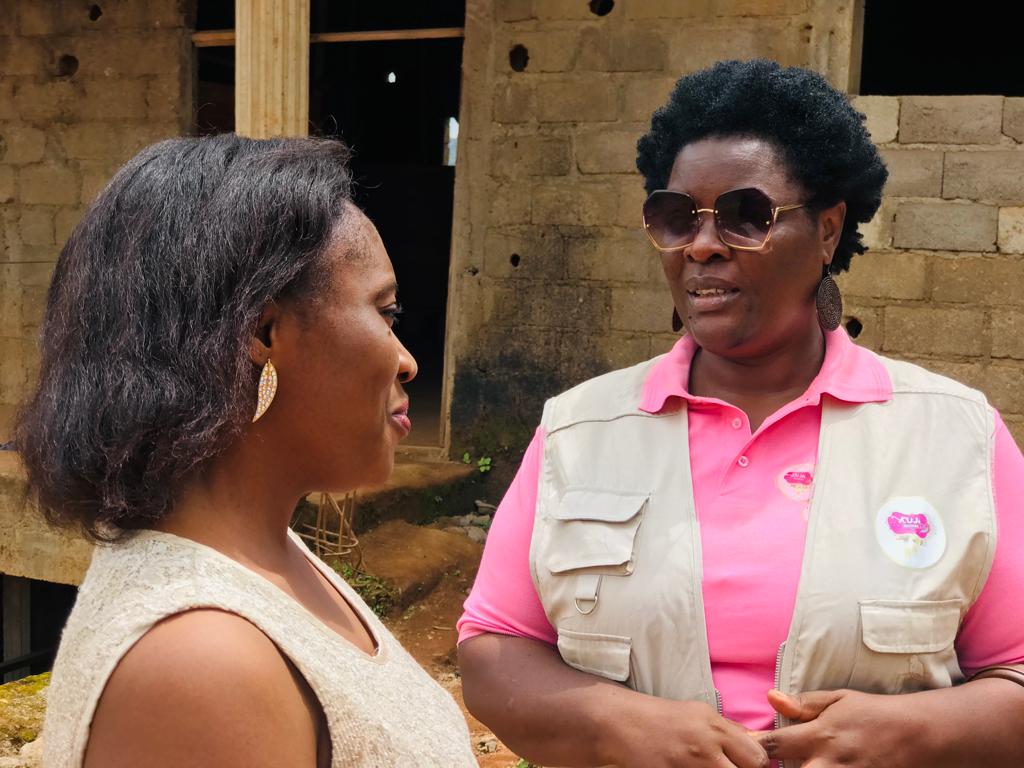
We had an appointment to meet with a community leader who would help us conduct interviews in the field. Upon arriving, we walked with her through the village, and a little girl caught my attention. With the community leader's permission, I approached her to talk.
She was excited and eager to share her story, but she didn't speak English well. But we found a French teacher in town to interview her.
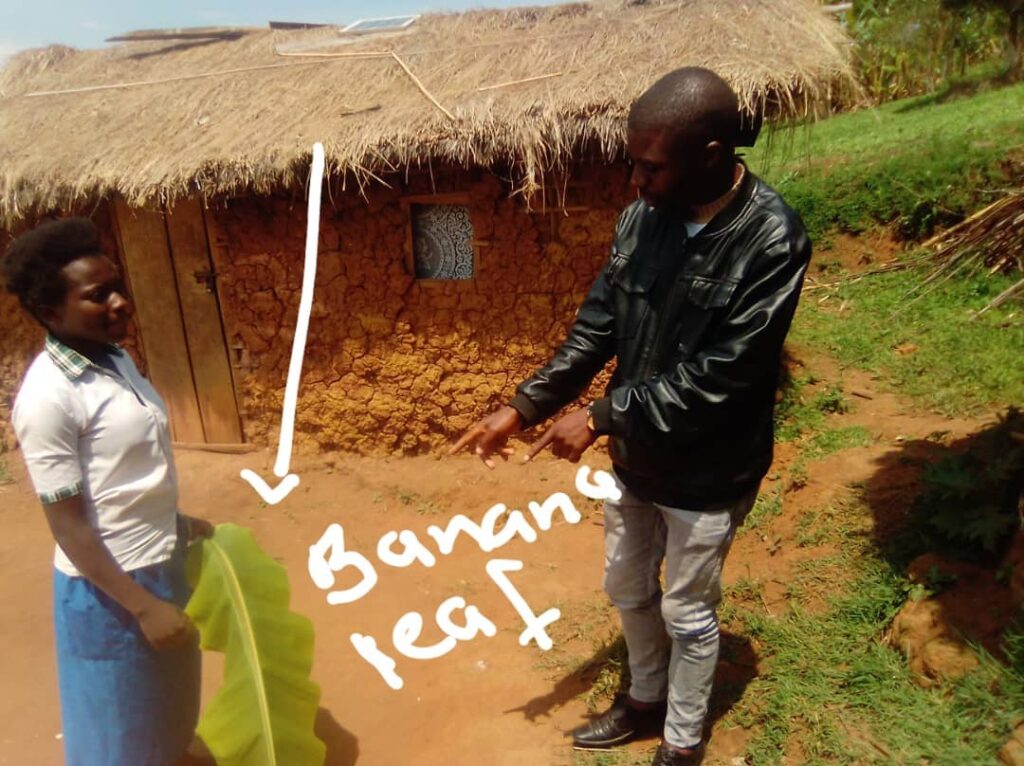
Her name is Lisa. She is a 15-year-old orphan girl who lives with her grandmother, who sells vegetables to earn a living. Lisa uses a banana leaf during her period because her grandmother cannot afford to buy sanitary pads.
Lisa represents tens of thousands of girls in rural communities in Cameroon who face the same lack of access to menstrual hygiene products.
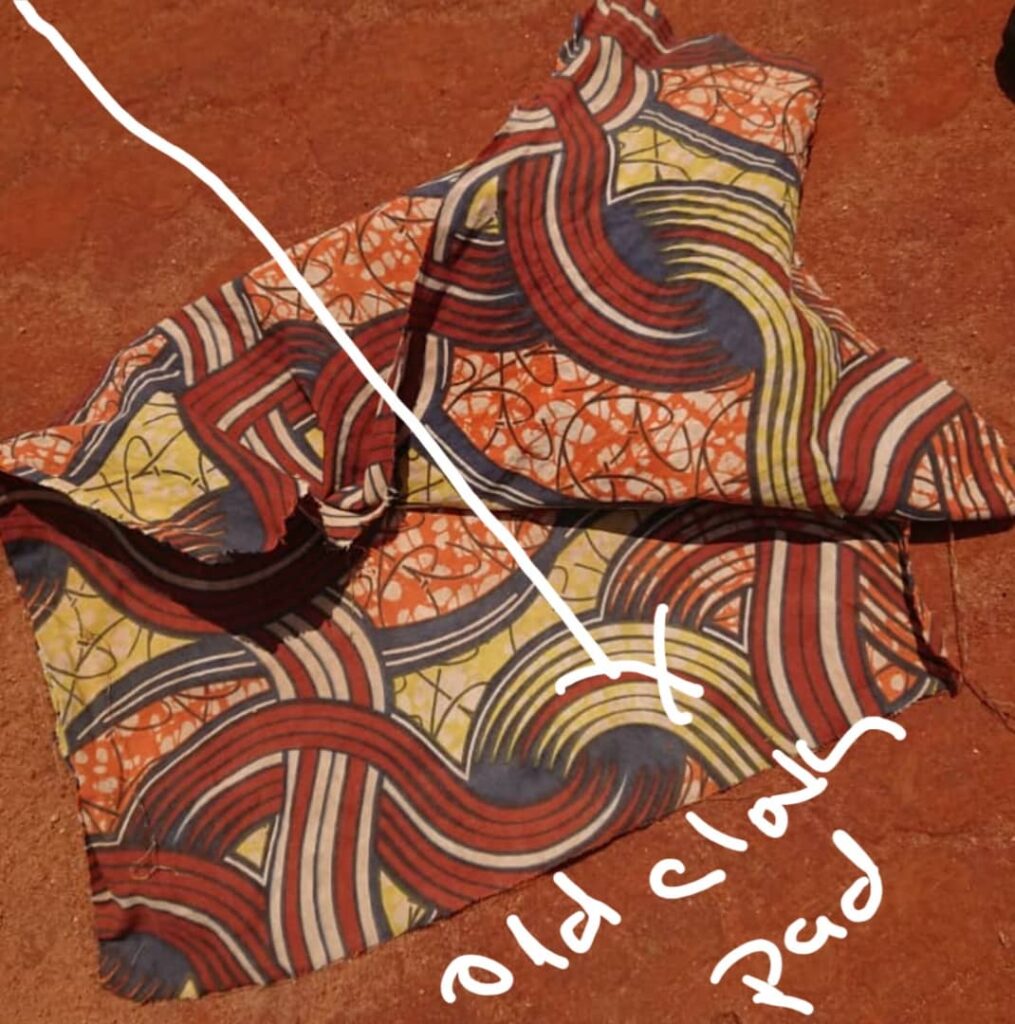
We continued walking and came across another girl who was able to share what she uses, but she was too shy for the camera. She cuts up her mother's old clothes and wears them during her period.
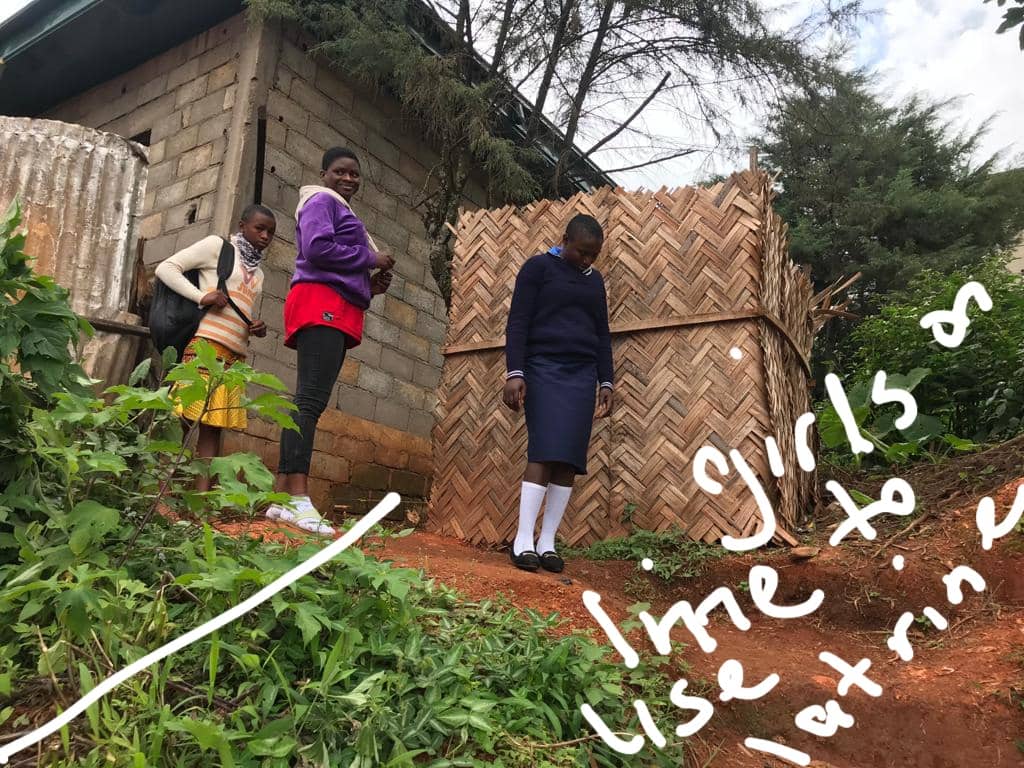
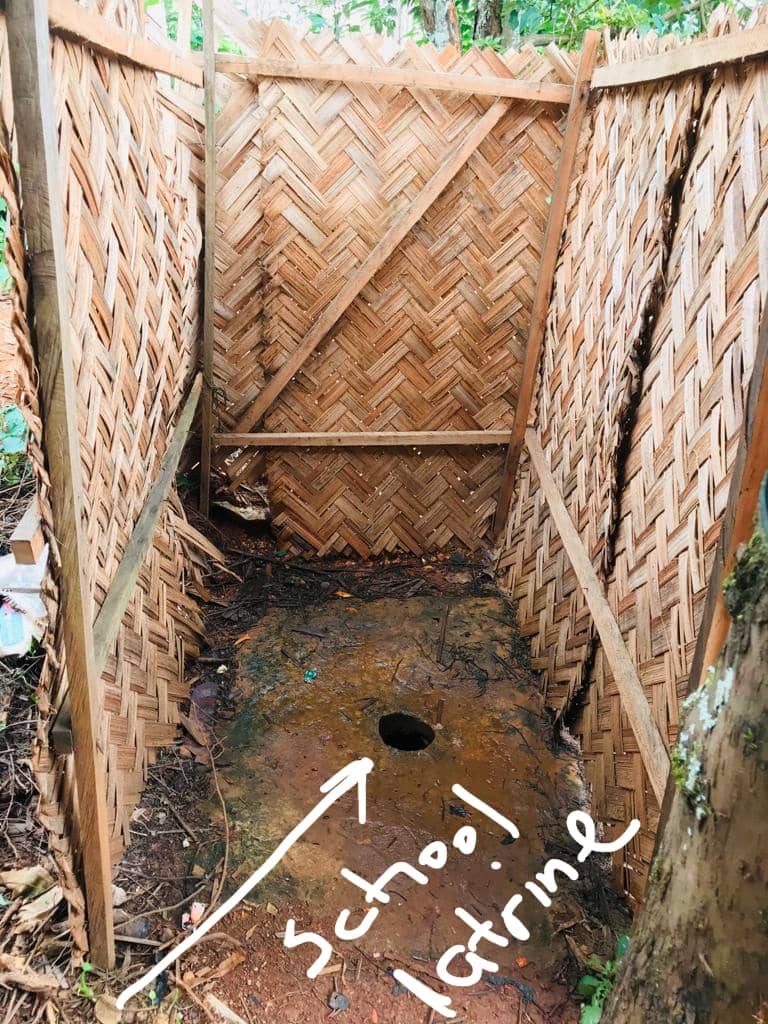
On our way back, we saw the girls lining up to use the school bathroom: this shocked us deeply. I asked the school principal if I could interview him, and he told us that this was the best they could offer the students and that they used bleach to disinfect when possible. Period poverty is real.
Through all the learning and exchanges of the Local Innovators Program, we hope to contribute our small part to eradicating it once and for all.
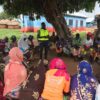
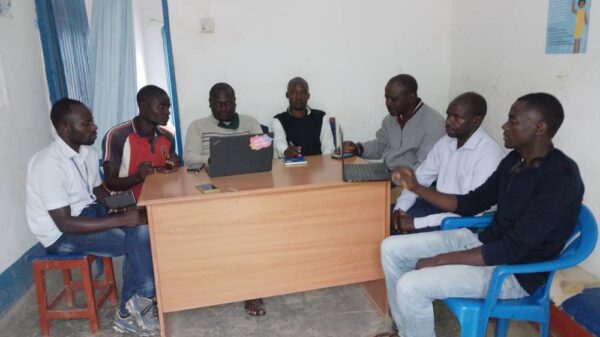
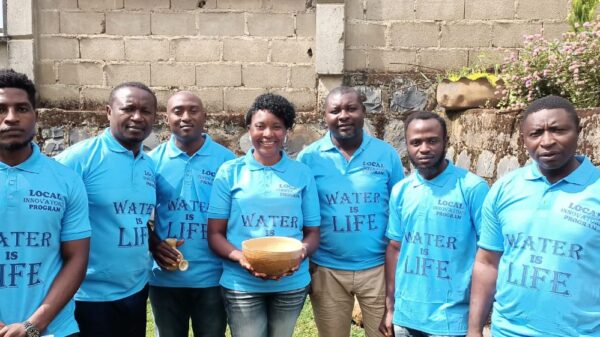
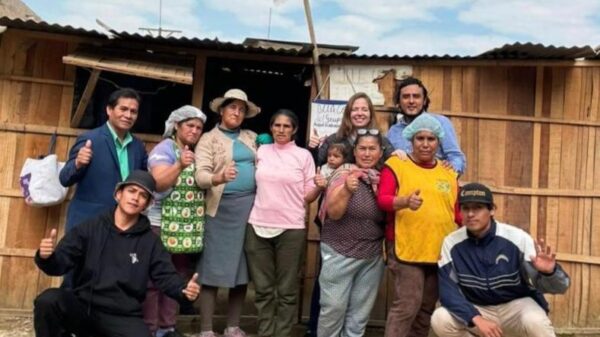
Our focal points made announcements in their local focus groups about the KujaEcoPads team's visit. We were warmly welcomed in each neighborhood with a traditional meal and palm wine, accompanied by smiles and hugs.
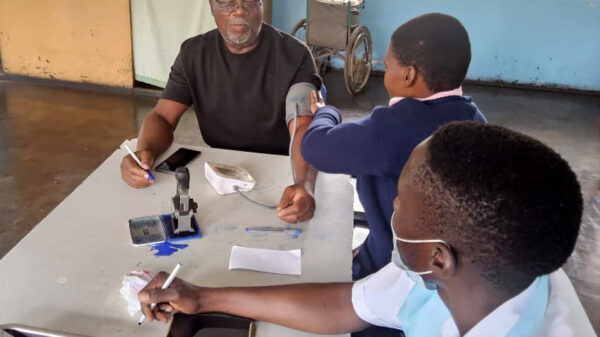
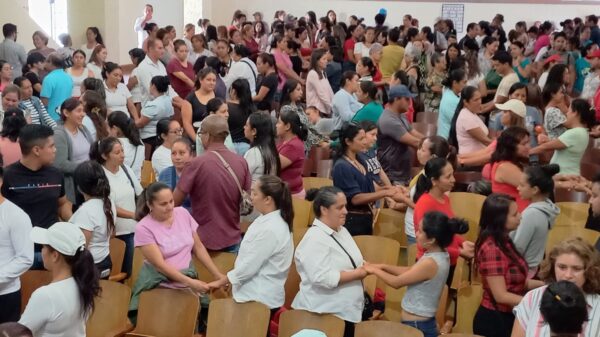
Focus groups and interviews proved very effective for us. We sat down with women and teenage mothers between the ages of 15 and 29. At first, they were all very shy and reserved when we announced our topic of discussion. However, We shared stories of first menstrual cycle experiences and other icebreakers that encouraged them and made them feel comfortable sharing their own stories.
This particular aspect of PIL Mission 2, visiting the fields to validate hypotheses, was an absolute revelation. It is completely different from what we find in books or hear from other sources.
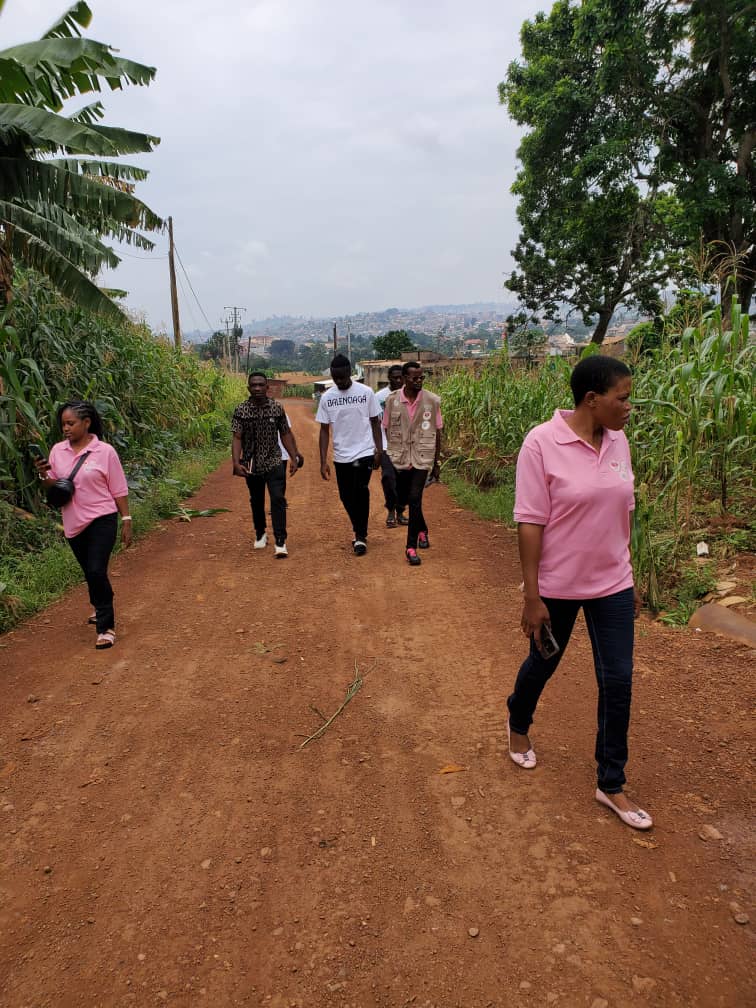
The journey was incredible, walking with my team in the community and meeting new people and ways of life. However, we left the field astonished, shocked, and incredulous at the level of cruelty inflicted on menstruating women and girls in rural communities in the 21st century.
Period poverty needs to be eradicated, and soon. Women and girls deserve dignity. Menstruation is also a human right, and girls' rights are human rights.
By Maire Claire, KujaEcoPads, Bamenda, Cameroon
ENG
THE SILENT STRUGGLE: MENSTRUAL PERIOD POVERTY IN RURAL CAMEROON
We had an appointment to meet a leader in one of the villages we would be visiting next for interviews. While taking a walk with her in the village, this little girl caught my attention and I asked the community leader if I could have a conversation with her.
She was excited and open to sharing her story but couldn't speak English very well. So we got a French teacher in the village to interview her. Her name is Lisa. She's a 15-year-old orphan living with her grandmother who sells vegetables to make a living. What Lisa is holding is a banana leaf which she uses to pad herself during her monthly period because her grandmother cannot afford money to buy sanitary pads for her.
She's one but represents tens of thousands of girls in rural communities in Cameroon who share the same plight of lack of access to affordable sanitary pads.
Another girl we met was able to share what she uses but was too shy for the camera. She cuts her mother's old clothes and wears them during her period. Her mother who is an IDP can not afford money for sanitary pads.
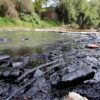
Worst part that caught our attention was also this school toilet. We saw this on our way back with girls lining up to go inside and use it. I begged to interview the principal of the school. He said that's the best they can provide to the students, and they use bleach to sterilize the latrine. Period Poverty is real.
Through all the learnings and exchanges from the LIP, we hope to contribute our little quota in ending it once and for all.
We kicked off our field visit officially and I bet it was much more fun than we could've ever imagined.
We were led by focal points we already set up in each quarter. Our focal persons made announcements in their local meeting groups that a team from KujaEcoPads would be visiting. We were warmly welcomed in each quarter with a traditional meal and palm wine with smiles and hugs.
Focus groups and interviews worked best for us. We sat down with women and teen mothers between the ages of 15 to 29.
They were very shy and timid once we announced our topic of discussion. But we used storytelling (first period experiences) and other interesting icebreakers which awakened them and got them all excited and comfortable to share their own stories.
This particular aspect of Mission 2 of the Local Innovators Program, visiting the fields to validate hypotheses, is an absolute eye-opener. It's totally different from what we find in books or hear from other sources.
The tour was amazing, walking with my team in the community and seeing new people and ways of life. But we left the field in awe, shock, and disbelief at the level of cruelty that is being done to menstruating women and girls in rural communities in the 21st century.
Period poverty needs to be eradicated and soon. Women and girls deserve dignity. Menstruation is a human right too, and girls' rights are human rights.
By Maire Claire, KujaEcoPads, Bamenda, Cameroon
Click on the video to know more about this project.