


by Leinyuy Serge Nangsinyuy, from the Bamenda 3 PIL 2024 team
The community comes together to address deforestation in and around the city of Bamenda
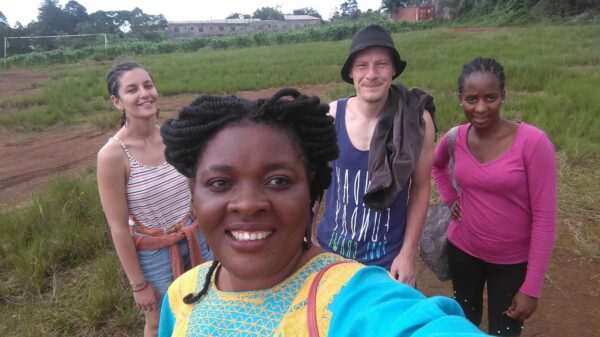
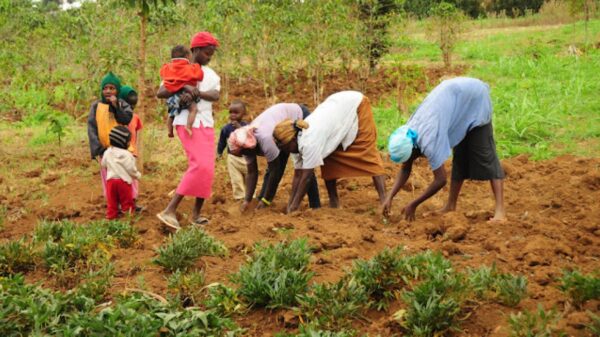
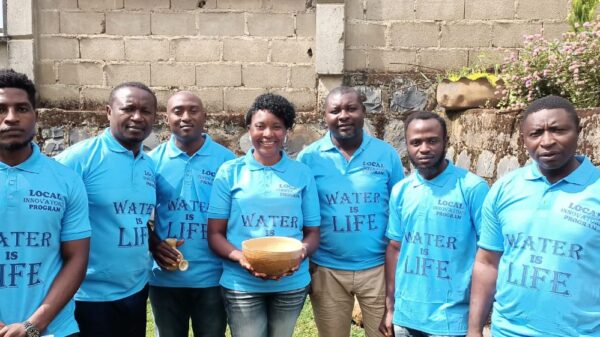
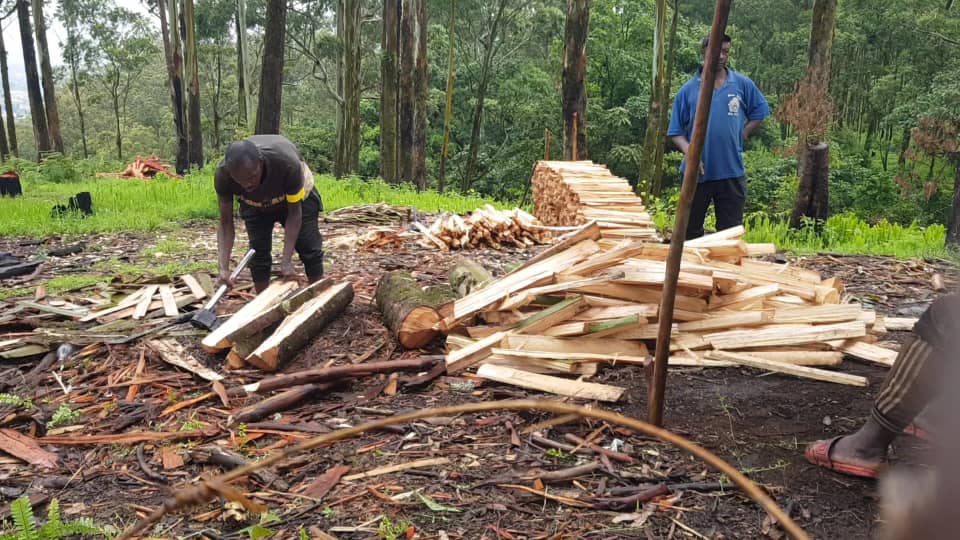
One of the teams in Bamenda, Cameroon, through its participation in the Local Innovators Program, seeks to address the alarming rate of deforestation in the city of Bamenda and its surrounding areas through collaborative change network meetings held with diverse actors from the private, public, third sector, community and key system actors.
Change Network Meetings:
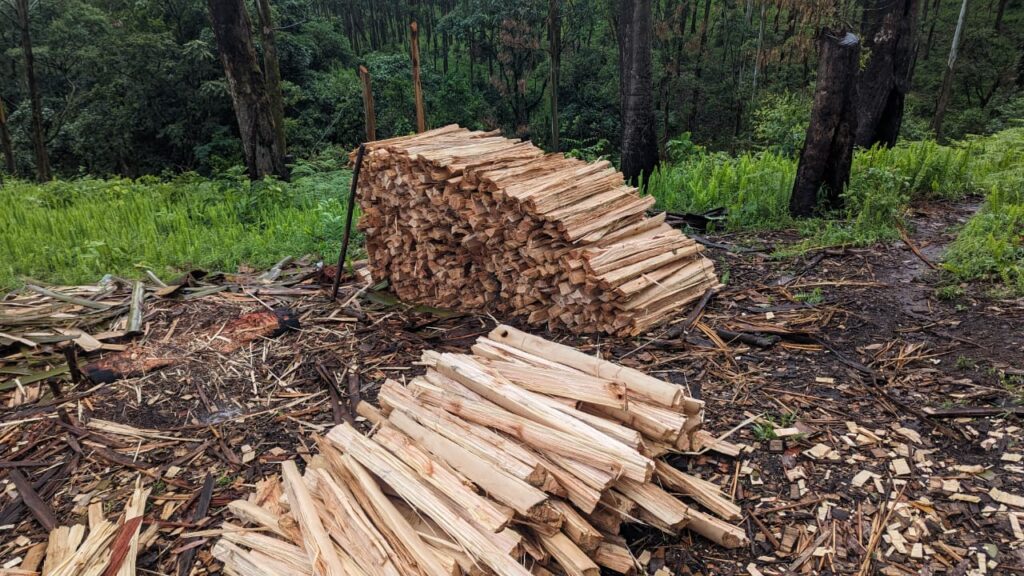
This pressing problem is statistically evident, as Bamenda has lost approximately 601,000 hectares of its forest cover since 2000, a fact reflected in temperature and climate changes. Deforestation is a complex issue that affects everyone, even newborns, who feel the discomfort of high temperatures. An integrated approach is needed to address this significant problem.
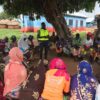
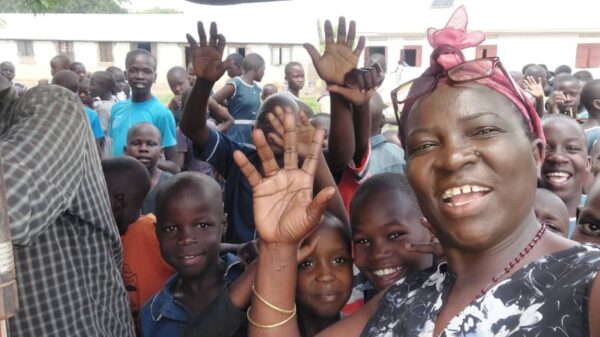
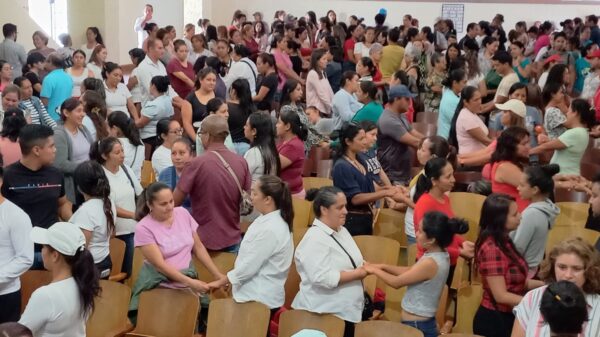
The Change Network brought together community leaders, environmentalists, government officials, stakeholders, youth, children and concerned citizens, all motivated by the urgency of the major problem of deforestation that threatens the ecology and livelihoods of Bamenda and the world at large, especially in the context of global warming and climate change.
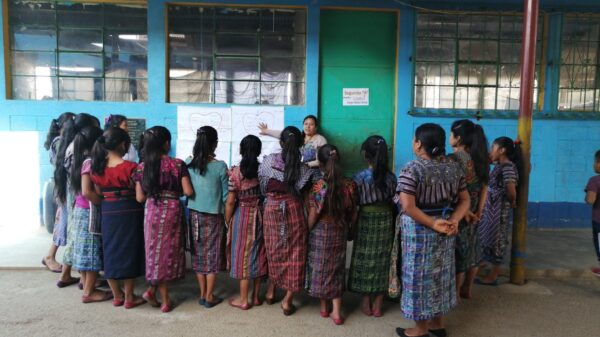
Our team invited various stakeholders, including government officials and other citizens. Priority was given to young people and children to ensure the sustainability of any solution that may emerge to address this problem. The team conceptualized that changing the face of the city of Bamenda and its surroundings today with stakeholders, government officials, and private actors is not enough to solve this problem. Integrating young people and children provides sustainability for addressing this major issue because young people and children are the future generation that will embrace and sustain the necessary change today. Therefore, accompanying them along the way can guarantee effective and sustainable change. Otherwise, the same problem we are struggling to solve today will remain a crucial issue tomorrow with the next generation, whose vulnerability will be much greater than today's and, as such, will increase the incidence of its effects compared to the current situation.
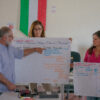
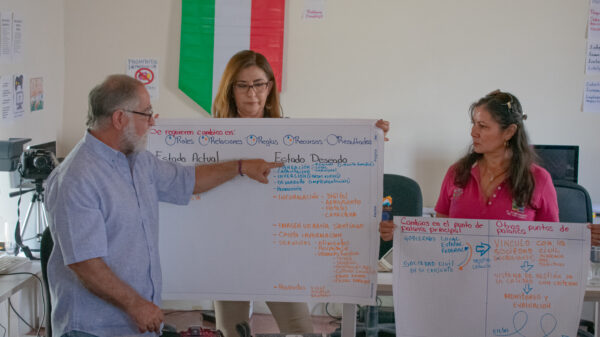
These meetings began with engaging presentations designed to capture the audience's attention and stimulate thoughtful discussion about core issues related to deforestation. Speakers illustrated an overview of deforestation, the causes and consequences of uncontrolled agricultural expansion, unplanned urban development, uncontrolled logging, and a lack of awareness about the importance of trees, which are vital for biodiversity conservation, climate regulation, and the livelihoods of many residents. “Our forests are our lifeline,” stated Dr. Amaka Njie, a renowned environmental scientist.“They provide not only timber, but also clean air, fertile soil, and essential wildlife habitat. If we don't act now, we risk causing irreversible damage.“.
The participants shared their perspectives on the causes of deforestation, emphasizing a complex interplay of economic pressures, social factors, and politics. “Many local farmers are forced to cut down trees to cultivate more land as their needs grow,” explained Mr. Bruno N. Bonja, a community representative.“While we understand the need for food production, we must find sustainable ways to balance agriculture with forest conservation through agroforestry.“, said Mr. Ndikaka Samuel.
The attendees then proposed solutions aimed at curbing deforestation in and around the city of Bamenda. A recurring theme during the discussions and meetings was the need for education in general within the community, and specifically in the educational curriculum and community engagement.“We need to empower our community through awareness programs“By teaching sustainable practices, we can reduce deforestation and continue to support our farmers,“ said Dr. Devine Mbom Yufanyi, an environmental activist.”
The proposals included establishing reforestation and afforestation initiatives, educating local farmers to adopt agroforestry techniques, enforcing strict regulations on logging activities, and diversifying awareness through social activities. Mr. Constantine Achu emphasized the importance of technology in monitoring forest health, suggesting the use of satellite imagery to track deforestation rates in real time.“With the right tools, we can take responsibility and create achievable goals“He noted. In addition, other members of the change network suggested the need for green housing, the integration of community members and all stakeholders, agricultural recycling to limit the need for space and, therefore, tree felling, and the promotion of fruit trees due to their direct benefits to the community and indirect benefits to livelihoods.
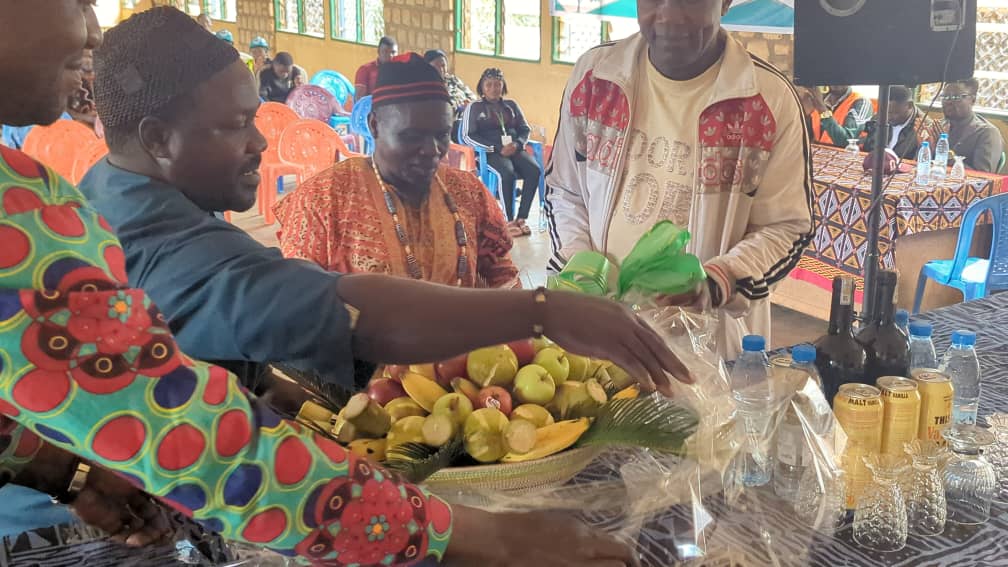
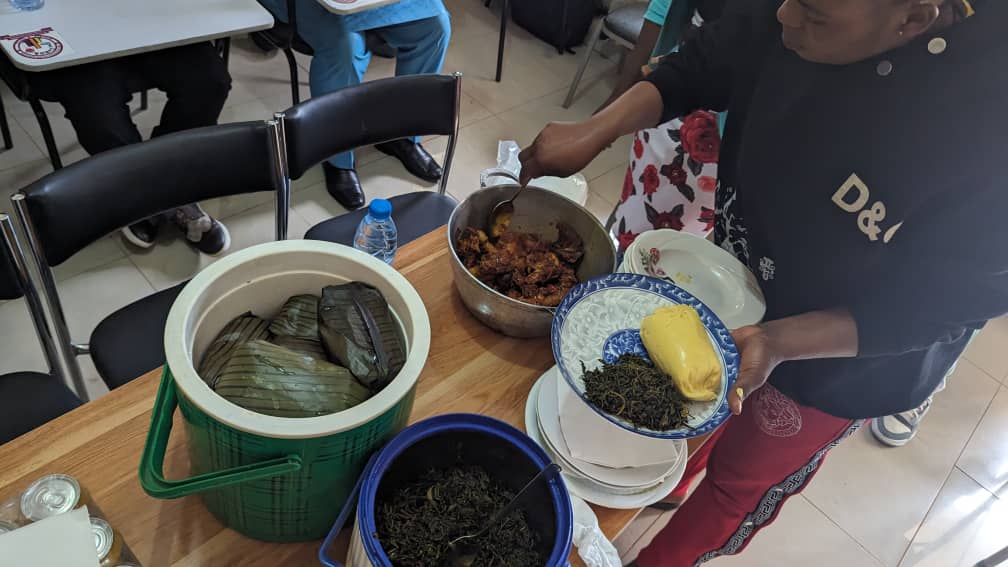
Furthermore, the collective efforts of the team members, along with the logistics manager, ensured a conducive environment and refreshments at each meeting, fostering comfort and constructive ideas and solutions to deforestation. Each meeting concluded with a traditional-style snack featuring local dishes: corn fufu and katikati, a native dish commonly consumed by the communities here in Bamenda, reflecting the local culture. This dish is prepared using corn, which is ground, cooked, and wrapped in banana leaves, along with vegetables and roasted chicken cooked with palm oil, all highly nutritious. Since corn fufu is the most consumed food in Bamenda, variations were made to the dishes served at different meetings, including bitter leaves and local fish, all prepared with palm oil.
Summary:
The network meetings concluded with an urgent call to action, urging participants to collaborate across sectors—government, civil society, and the private sector—to drive change locally and globally. “Each of us has a role to play in preserving our environment,” said Chief Bamenda of Nkwen. “It is our duty to protect the natural resources upon which our community and future generations depend.”
“"Personally, The Change Network was absolutely a great experience for me, meeting and discussing with the community and understanding diverse ideas from different perspectives to solve the problem of deforestation.. ”New ideas and initiatives were identified to address this problem, especially in raising awareness, such as including environmental education in schools, using social activities to create awareness, and actively using social media platforms like Facebook, Instagram, YouTube, and LinkedIn, to name a few,” said Mr. Berinyuy Emile, our team leader.
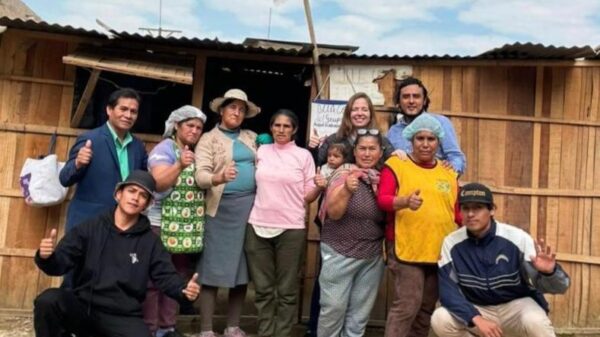
Furthermore, the members of the change network at the meeting were excited to see that we were beginning to address this deforestation problem. Some members pledged to become tree guardians once this issue is resolved, and many were genuinely happy to have learned about the value of a tree, of which they were previously less aware.
ENG
Community Gather to Tackle Deforestation in Bamenda city and its surrounding areas
One of the teams in Bamenda, Cameroon, through its participation in the Local Innovators Program, is seeking to address the alarming rate of deforestation in the city of Bamenda and its surrounding areas through collaborative change network meetings held with diverse stakeholders, the private sector, public sector, third sector, community and key system actors.
Change Network meetings:
This pertinent problem is statistically evident where from the year 2000 to date, Bamenda has lost about 60% of its forest cover which is quite evident in temperature and climatic changes. Deforestation is a complex problem that leaves no one out, even a newborn baby feels the discomfort of high temperatures. An integrated approach is needed to solve this big problem.
The Change Network brought together community leaders, environmentalists, government officials, stakeholders, youth, children and concerned citizens, all motivated by the urgency of the major issue of deforestation that threatens the ecology and livelihoods of Bamenda and the world at large, especially in the context of global warming and climate change.
Our team invited diverse stakeholders, such as government officials and other citizens. Youth and children have been given priority to ensure the sustainability of any solution that may emerge to address this problem. The team conceptualized that changing the face of Bamenda city and it surrounding areas today with stakeholders, government officials and private actors is not enough in solving this problem, but integrating the youth and children brings about sustainability in solving the big problem because youth and children are the future generation to take over and maintain the change needed today, thus taking the journey with them can guarantee effective and sustainable change. If not the same problem we are struggling to solve today will still be a pivotal issue tomorrow with the next generation whose vulnerability will be much higher than it is today and as such increased incidence of effects than it is the case today.
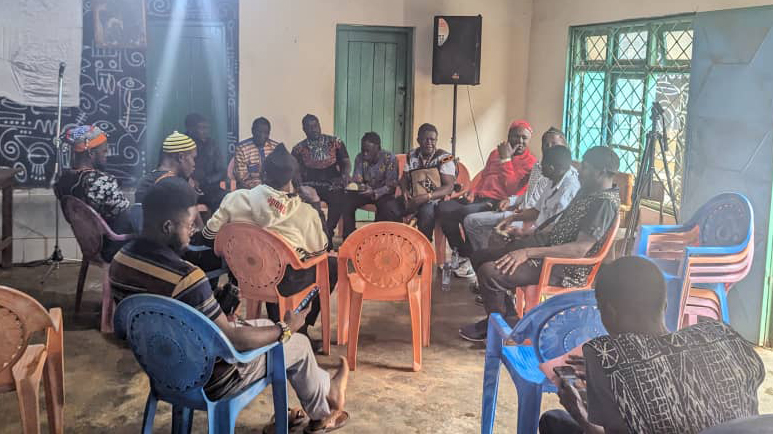
These meetings began with engaging presentations designed to capture the audience's attention and stimulate thoughtful discussion on the core issues surrounding deforestation. Speakers illustrated the general overview of deforestation, causes and consequences of unchecked agricultural expansion, unplanned urban development, uncontrolled tree harvesting and poor awareness on the importance of trees, which are vital to biodiversity conservation, climate regulation, and the livelihoods of many residents. “Our forests are our lifeline,” stated Dr. Amaka Njie, a renowned environmental scientist. “They provide not just timber, but clean air, fertile soil, and essential habitat for wildlife. If we don't act now, we risk irreversible damage.”
Participants shared their perspectives on the causes of deforestation, emphasizing a complex interplay of economic pressures, social and political factors. “Many local farmers are forced to clear trees to cultivate more land as their needs grow,” explained Mr. Bruno N. Bonja, a community representative. “While we understand the necessity of food production, we must find sustainable ways to balance agriculture with forest conservation through agroforestry.”Said Mr. Ndikaka Samuel.
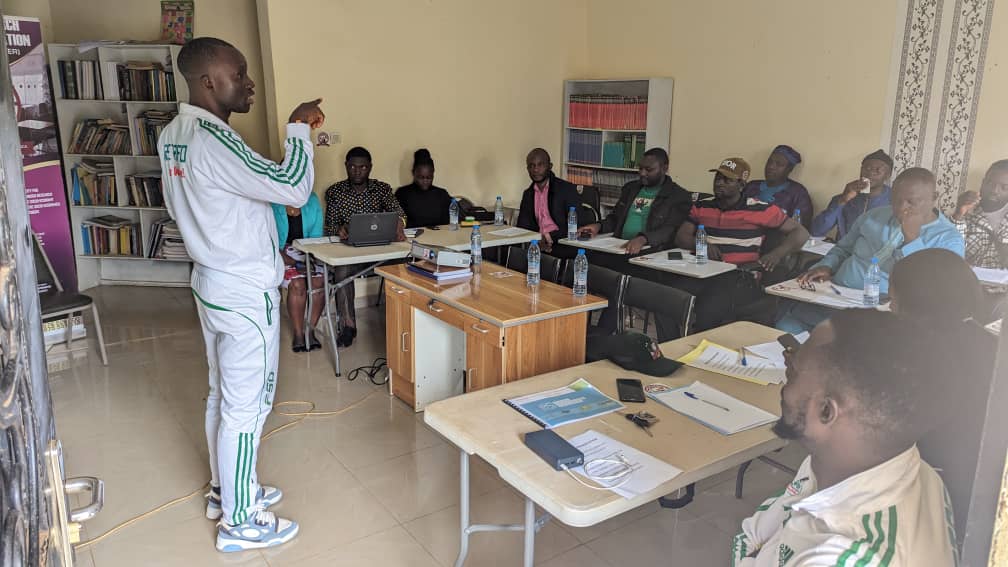
The attendees then proposed solutions aimed at curbing deforestation in Bamenda city and surrounding areas. A recurring theme throughout the discussions and meetings was the need for education generally in the community and specifically in the educational curriculum and community engagement. “We need to empower our community through awareness programs”"said Dr. Devine Mbom Yufanyi, an environmental activist. “By teaching sustainable practices, we can reduce deforestation and still support our farmers.
Proposals included the establishment of reforestation and afforestation initiatives, educating local farmers to adopt agroforestry techniques, and enforcing strict regulations on tree harvesting activities and diversifying sensitization through social activities inclusions. Mr. Constantine Achu emphasized the importance of technology in monitoring forest health, suggesting the use of satellite imagery to track deforestation rates in real-time. “With the right tools, we can hold ourselves accountable and create actionable goals” he noted. Also, other change network members suggested a need for green housing, integration of community members and all stakeholders, upcycling agriculture to limit need for space thus tree failing and encouragement of fruit trees because of their direct benefits to the community and in turn indirect benefits for livelihood.
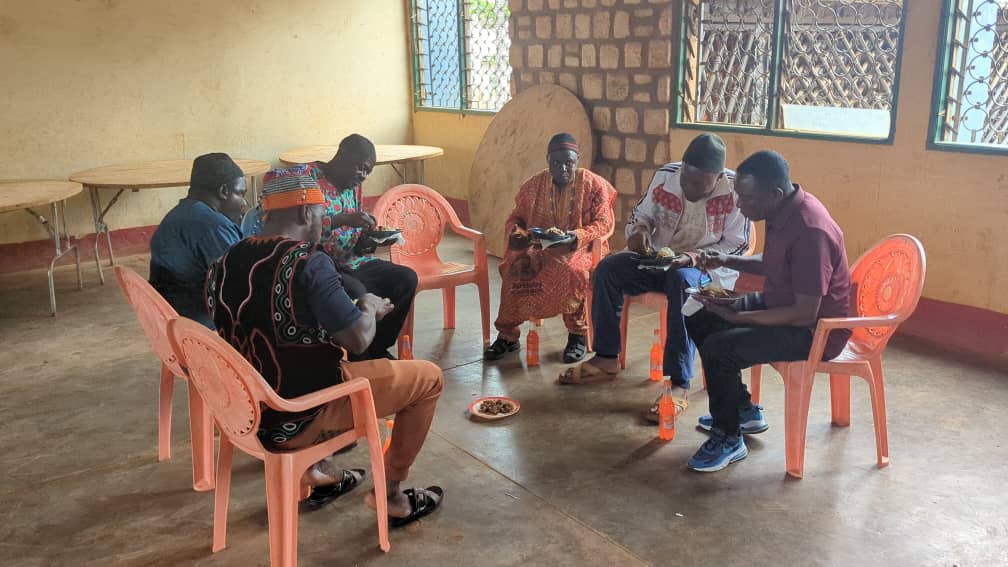
Also, collective efforts of team members with the logistics manager ensured a conductive environment and refreshments at every meeting, which enables comfort and constructive ideas and solutions to deforestation. Every meeting ended with refreshment in a traditional style through traditional meals of the local people which were Fufu corn and Katikati, a native dish commonly consumed by communities here in Bamenda, reflecting the culture. This meal is prepared using corn, which is ground, prepared and tied in plantain leaves, vegetables and roasted chicken prepared with palm oil which are highly nutritious to the body. Furthermore, with fufu corn being the most consumed meal in Bamenda, changes were made just with what is eaten within different meetings, which were bitter leaf and local fish all prepared with palm oil.
Summary:
The change network meetings concluded with a realization of an urgent call to action, calling attendees to collaborate across sectors, government, civil society, and the private sector to drive change at both local level and the world at large. “Each one of us has a role to play in preserving our environment,” stated the Chief of Nkwen, Bamenda. “It is our duty to protect the natural resources that our community and future generations depend on.”
“Personally, the Change Network was absolutely a great experience for me, meeting and discussing with the community and understanding diverse ideas from different perspectives in solving the problem of deforestation. New ideas and initiatives on solving this problem were identified especially on sensitization such as inclusion of environmental education in schools, use of social activities to create awareness and as well as active use of social media engines like Facebook, Instagram, YouTube and LinkedIn just to name a few” said Mr. Berinyuy Emile our Team lead.
Also, change network members at the meeting were excited to see that we were beginning to address this issue of deforestation. some members pledged to become tree guardians when this issue is resolved, and many were indeed happy to have learned about the value of a tree, which they had previously been less aware of.